
Raksha Bandhan 2026 in Mombasa: Events, Puja & Where to Celebrate
TL;DR
- 🪢 Raksha Bandhan 2026 calls the Indian community in Mombasa to honour the sibling bond with rakhi threads, puja, and shared sweets along the Kenyan coast
- 🛕 The Shri Cutch Satsang Swaminarayan Temple is the central hub for organised Hindu worship and community gatherings in Mombasa
- 🌊 Mombasa's Gujarati Hindu community has maintained these festive traditions faithfully for generations in coastal Kenya
- 📅 Raksha Bandhan arrives within the Shravan season, which also brings Nag Panchami 2026, Guru Purnima 2026, and Krishna Janmashtami 2026 in close succession
- 🙏 With a close-knit Desi community, Mombasa's celebrations often unfold across homes, community halls, and temple satsangs
What Raksha Bandhan Means
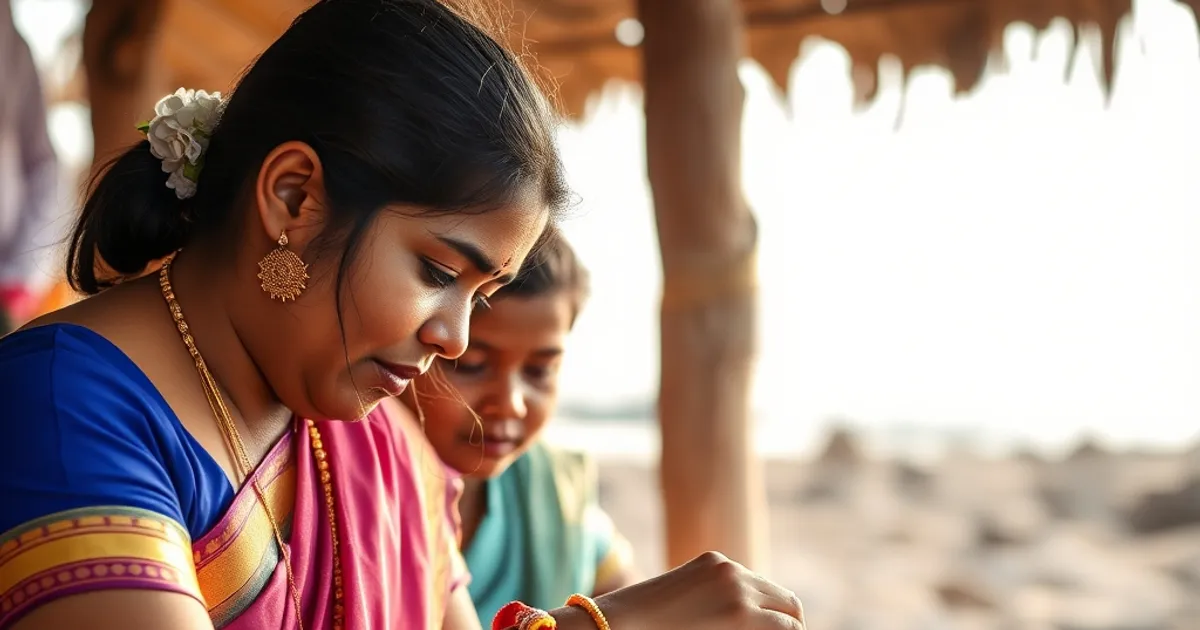
Raksha Bandhan — the "bond of protection" — falls on the Purnima (full moon) of the Hindu month of Shravan, arriving in late August 2026. A sister ties a rakhi, a sacred thread, around her brother's wrist while praying for his health, prosperity, and long life. He responds with a sincere pledge of care and protection, and often a gift or sweet. The exchange is watched over by elders, accompanied by a lit diya, and followed by a festive meal.
For the Indian community in Mombasa, Kenya, Raksha Bandhan carries a significance that goes well beyond the ritual. The Gujarati Hindu community along the Kenyan coast has preserved these traditions across more than a century — adapting them to life in a coastal African city while maintaining their spiritual integrity. In Mombasa, observing Raksha Bandhan is simultaneously a religious act and a statement of cultural continuity across generations and geographies.
The Swaminarayan Community in Mombasa
The Swaminarayan faith is one of the most structured and active branches of Vaishnavism, with a strong presence among Gujarati communities across East Africa. In Mombasa, the Shri Cutch Satsang Swaminarayan Temple serves as the primary centre for Swaminarayan worship and community life.
The temple traces its roots to the Kutchi Gujarati community — families from the Kutch region of Gujarat who formed a significant part of the Gujarati diaspora that settled along the East African coast from the late nineteenth century onward. The Cutch Satsang fellowship maintains a schedule of devotional programmes, satsangs, and festival observances that follow the Hindu lunar calendar through the year.
For Raksha Bandhan 2026, the temple community functions as a natural gathering point. The satsang tradition of the Swaminarayan fellowship brings together families for collective prayer, singing, and spiritual instruction, creating a communal setting that complements the personal family rituals of the day. The congregation at the Shri Cutch Satsang Swaminarayan Temple shares a deep familiarity with Vaishnava devotional practice, and the festive mood of Shravan season is felt throughout the community.
The Rakhi Ritual: Step by Step
The preparation for Raksha Bandhan begins with the thali — a ceremonial tray that the sister assembles before the ritual. The tray holds the rakhi thread, a small diya, kumkum (vermillion), akshata (rice grains), and sweets. On the morning of the festival, the sister lights the diya and applies a tilak of kumkum and rice to her brother's forehead.
She then ties the rakhi while reciting a prayer for his protection and long life. He offers sweets in return, along with his promise of care. Elders present at the ceremony offer blessings to both.
In Desi households in Mombasa, the sweets served at Raksha Bandhan often include Indian mithai — ladoos, barfi, and halwa — sourced from local Indian grocery stores. Mombasa has an established Indian commercial quarter where festive supplies, including rakhis and puja items, are available in the weeks before major Hindu festivals. Some families also prepare sweets at home, adding a personal dimension to the occasion.
The Hindu Calendar Through the Shravan Season
Raksha Bandhan does not arrive in isolation. The Shravan and Bhadrapad months form one of the most festival-dense periods of the Hindu lunar year, and the Indian community in Mombasa observes several of these occasions in close succession.
Guru Purnima 2026 opens the season, honouring teachers and spiritual guides — a value the Swaminarayan tradition holds at its centre. Nag Panchami 2026 follows within Shravan, a day of prayers to serpent deities associated with rain, agricultural fertility, and household protection, marked with milk offerings and temple visits.
Raksha Bandhan 2026 itself falls on the Shravan Purnima, followed within days by Krishna Janmashtami 2026 — the midnight celebration of Lord Krishna's birth. The Swaminarayan community holds Janmashtami with particular devotion, and the Shri Cutch Satsang Swaminarayan Temple typically marks the occasion with bhajans, fasting, and special programmes.
Later in the year, Ganesh Chaturthi 2026 brings community gathering again, and the regular lunar observances — Ekadashi, Pradosh Vrat, Purnima, Sankashti Chaturthi, and Amavasya — provide a steady devotional rhythm for families committed to the full practice of the Hindu calendar.
Celebrating as a Desi Family in Coastal Kenya
In Mombasa, where the Indian community is smaller than in some diaspora cities, Raksha Bandhan often takes a more home-centred form, augmented by temple attendance and community gatherings. This intimacy gives the festival its own particular texture.
A family Raksha Bandhan in Mombasa might begin with the morning puja and rakhi ritual, move into a shared vegetarian meal, and continue with an evening satsang or visit to the temple. Many families also schedule video calls with relatives in India, Gujarat, or elsewhere in the global diaspora on this day — the thread of connection Raksha Bandhan represents extends beyond the physical.
Families with children born in Kenya use the occasion to pass down traditions in a tangible way: preparing the thali together, explaining the meaning of each item, and letting the children tie rakhis to older cousins or family friends. The ritual becomes a teaching moment that carries forward.
Some Desi families in Mombasa also extend the rakhi to members of the broader Indian community — across regional and linguistic lines — treating the festival as an occasion to reinforce the bonds that diaspora life builds among people who might not have been neighbours in India.
Insider Tip
The Cutch Satsang community in Mombasa organises regular satsangs and communal gatherings beyond the formal temple programme. These gatherings — held at the temple or in community spaces — are welcoming to Desi families who are new to Mombasa or who want deeper connection with the local Hindu community during the festive season. Attending a satsang in the week of Raksha Bandhan 2026 offers a way to celebrate that feels communal rather than solitary, and to meet families who carry the same traditions.
FAQ
When is Raksha Bandhan 2026? Raksha Bandhan 2026 falls on the Purnima of the Shravan month, arriving in late August 2026.
Where can I attend puja for Raksha Bandhan in Mombasa? The Shri Cutch Satsang Swaminarayan Temple is the primary venue for organised Hindu worship during festival seasons in Mombasa.
Where can I find rakhis and puja supplies in Mombasa? Indian grocery stores and shops in Mombasa's Indian commercial areas carry festival supplies in the weeks before major Hindu festivals.
Can Raksha Bandhan be celebrated without a temple programme? The core ritual is a home ceremony requiring only the thali items — a rakhi, a diya, kumkum, rice, and sweets. The spiritual meaning of the day does not depend on a formal temple programme, and many families observe it entirely at home with deep meaning.
Bottom Line
For the Indian community in Mombasa, Raksha Bandhan 2026 belongs as much to the family home as to the temple. The Shri Cutch Satsang Swaminarayan Temple provides a community anchor for those who want shared worship, and the Cutch Satsang satsang tradition offers belonging to families seeking connection. Surrounded by Nag Panchami 2026, Guru Purnima 2026, and Krishna Janmashtami 2026, Raksha Bandhan arrives at a peak point in the Shravan season. Prepare the thali, light the diya, tie the rakhi — and let a tradition that has crossed oceans and generations do the rest.