
Desi Concerts & Cultural Shows Coming to San Antonio
TL;DR
- 🕉️ Guru Purnima 2026 falls on July 29 — one of the most spiritually charged dates on the Indian/Desi calendar, marking the full moon of teachers across San Antonio's Hindu community
- 🌕 Purnima on the same date amplifies the devotional energy of late July
- 🗓️ August brings a dense run of observances: Sankashti Chaturthi, Ekadashi, Pradosh Vrat, Amavasya, and Nag Panchami 2026
- 🪔 These dates create natural anchors for community gatherings, rituals, and cultural connection throughout the summer
- 📍 Indian/Desi residents new and longtime can use this calendar to plug into San Antonio's South Asian community life
San Antonio's Indian/Desi Summer Calendar: July and August 2026
San Antonio's South Asian community has built a steadily growing cultural and devotional infrastructure over the past two decades. The summer months — particularly late July through mid-August — fall in one of the richest stretches of the Hindu lunar calendar, giving Indian/Desi families a nearly unbroken sequence of observances to mark together.
For residents who have recently relocated to San Antonio, or for those who have been here for years but have not yet found their community anchor, these calendar dates are a practical entry point. Temples, spiritual organizations, and cultural groups structure their programming around these observances. Knowing the dates means knowing where the community will be gathering — and what kind of gathering it will be.
The title of this guide nods to the broader landscape of Desi cultural programming in San Antonio, but the most reliable, recurring "shows" in the community are the observances themselves. A Guru Purnima 2026 satsang, a Nag Panchami 2026 puja, a Sankashti Chaturthi moon-sighting — these are the cultural events that San Antonio's Indian/Desi families actually attend together, year after year, season after season.
Guru Purnima 2026 and Purnima: July 29 Opens the Season
July 29 holds double significance on the San Antonio Indian/Desi calendar. Both Purnima — the full moon day — and Guru Purnima 2026 fall on the same date, making it one of the most devotionally weighted single days of the summer.
Guru Purnima 2026 is observed on the full moon of the Ashadha month and honors the lineage of teachers and gurus that runs through every spiritual tradition in Hinduism. Its origins are traced to the birthday of Vyasa, the sage credited with compiling the Vedas and authoring the Mahabharata. In modern practice, the day calls practitioners to express gratitude toward their spiritual guides — and more broadly, toward every teacher who has transmitted knowledge, practice, or values.
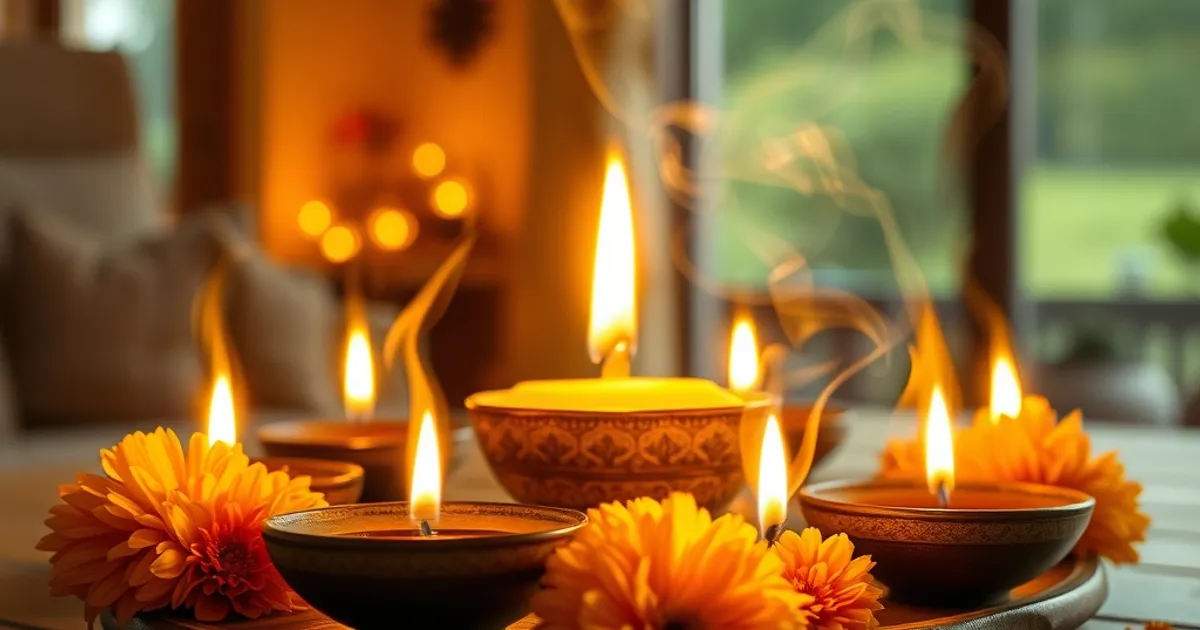
San Antonio area mandirs typically hold morning aartis and evening satsangs on Guru Purnima 2026. Programs vary by temple tradition — some emphasize musical bhajans, others center on discourse or scriptural reading — but the common thread is honoring the guru principle. Purnima itself, marked as an auspicious full-moon day, prompts many families to light diyas, offer prayers to ancestors, and observe simplified fasting.
When both fall on July 29, as they do in 2026, the day functions as a genuine community gathering point. For Indian/Desi families in San Antonio who do not yet have a temple affiliation, attending a Guru Purnima 2026 program is a low-pressure, high-connection way to get introduced to a community they may want to join.
August: Sankashti Chaturthi, Ekadashi, Pradosh Vrat, and Amavasya
August 2026 is the most calendar-dense month of the summer. It opens with Sankashti Chaturthi on August 2 — the monthly Ganesha observance in which devotees fast through the day and break the fast upon sighting the evening moon. Sankashti Chaturthi is observed consistently across most Indian/Desi households regardless of regional or sectarian background, making it one of the more broadly attended observances of any given month.
Ekadashi arrives on August 8. This bi-monthly fast, observed on the eleventh lunar day, is central to Vaishnava practice and widely observed across many Hindu traditions. Devotees avoid grains and beans, maintain a simplified diet of fruits and dairy, and spend the day in prayer and reading. San Antonio area Vaishnava communities typically hold special evening kirtans and programs on Ekadashi.
Pradosh Vrat follows on August 10. Focused on Shiva, this fast is observed on the thirteenth lunar day (trayodashi) during the pradosh window — roughly 90 minutes around sunset. Devotees visit Shiva temples for abhishekam and aarti during this period. It is a quieter observance than the larger festivals but is treated as one of the most potent fast days of the month by committed Shaivites.
Amavasya — the new moon — lands on August 12. The new moon is associated with ancestors and is traditionally the occasion for pitru tarpan: offerings of water and prayer to departed family members. Many families perform these rites at home or at a river or water body if accessible. For Indian/Desi families in San Antonio who have lost parents or grandparents in recent years, Amavasya carries deep personal meaning alongside its communal and traditional dimensions.
Insider Tip
The August cluster of Ekadashi, Pradosh Vrat, and Amavasya falls within four days of each other — August 8, 10, and 12. For Indian/Desi residents who want to experience the full rhythm of Hindu devotional life in San Antonio, attending even one temple event across these three dates gives a compressed but genuine sense of how the community moves through the calendar. Morning abhishekam on Pradosh Vrat and an evening kirtan on Ekadashi are both accessible entry points. Ask the temple priest or a regular attendee about the schedule; the community is generally welcoming to newcomers during these quieter, contemplative observances.
Nag Panchami 2026: Closing the August Cultural Season
Nag Panchami 2026 arrives on August 16 and brings the packed summer calendar to a vivid close. Nag Panchami honors serpents — particularly the cobra — as symbols of divine protection and cosmic power. Families offer milk, flowers, and turmeric to images of nagas, and temples with dedicated serpent shrines draw steady traffic through the day.
For Indian/Desi families in San Antonio with roots in Maharashtra, Karnataka, Andhra Pradesh, or Kerala, Nag Panchami 2026 carries layered regional traditions: rangoli or chalk drawings of serpents at the threshold, sweets made from sesame and jaggery, and the telling of traditional stories about Vasuki, Ananta Shesha, and the naga deities of Hindu mythology. Children find the mythology compelling; the visual and tactile elements of the observance make it memorable in a way that more abstract liturgical festivals often are not.
Many households observe protective customs on Nag Panchami — avoiding digging in the earth, refraining from sharp tools — that trace back to the belief that nagas live underground and should not be disturbed on their festival day. These customs give families a concrete set of practices that connect daily life to the larger mythological story.
FAQ
Q: Do I need to be Hindu to attend Guru Purnima 2026 events in San Antonio? A: Most temple programs are open to all visitors. Removing footwear, dressing modestly, and following the lead of those around you are the standard expectations.
Q: Where do San Antonio's Indian/Desi families typically observe these calendar events? A: Local Hindu temples are the primary venues. Many spiritual organizations and yoga communities also hold programs. South Asian social media groups and community boards post specific event listings.
Q: Is fasting required for Ekadashi or Pradosh Vrat? A: No. Fasting is a personal devotional choice. Attending temple programs during these observances does not require fasting.
Q: Are these events appropriate for children? A: Yes. Purnima aartis, Sankashti Chaturthi moon-sighting evenings, and Nag Panchami 2026 programs all have strong family participation. Children are welcomed and often central to the celebrations.
Bottom Line
From July 29 through August 16, San Antonio's Indian/Desi calendar offers a nearly continuous run of cultural and spiritual observances. Guru Purnima 2026 and Purnima open the season with depth and reverence. Sankashti Chaturthi, Ekadashi, Pradosh Vrat, and Amavasya carry the momentum through August's middle weeks. Nag Panchami 2026 closes the stretch with one of the most visually rich and story-driven observances of the year. For Indian/Desi families in San Antonio, this is the season to show up — at the temple, in community programs, and alongside neighbors who share the same calendar.