
Janmashtami 2026 in San Jose: Events, Puja & Where to Celebrate
TL;DR: Janmashtami 2026 in San Jose falls around August 22-23, marking the birth of Lord Krishna. The South Bay has a strong Hindu temple network — from Shri Krishna Vrundavana Temple on Sunol Street to the Balaji Temple on North 1st Street — offering midnight pujas, devotional music, and community celebrations. Read on for the full guide to where and how to celebrate in Silicon Valley.
What Is Janmashtami and Why It Matters
Janmashtami is one of the most widely observed Hindu festivals in the world, commemorating the birth of Lord Krishna — the eighth avatar of Vishnu — who is believed to have been born at midnight in the city of Mathura. Celebrated on the eighth day (Ashtami) of the dark fortnight of the Hindu month of Bhadrapada, the festival in 2026 falls around August 22-23.
The midnight hour is central to the celebration. Devotees fast throughout the day and break it only after the clock strikes 12 — the moment Krishna is said to have entered the world. Temples fill with bhajans (devotional songs), recitations of the Bhagavad Gita, and dramatic re-enactments of scenes from Krishna's life. Dahi Handi — a tradition where teams form human pyramids to break a pot of curd — is a popular activity in many Hindu communities, referencing the young Krishna's legendary love of butter and curd.
For Indian Hindu families in San Jose and the broader Silicon Valley area, Janmashtami is both a spiritual occasion and a cultural gathering. It connects generations — from grandparents who learned these rituals in India to children born in California discovering them for the first time.
Temples in San Jose Where You Can Celebrate Janmashtami
San Jose has a well-established Hindu temple community with multiple venues hosting Janmashtami events. Here are the key places to know:
Shri Krishna Vrundavana Temple at 43 Sunol Street is, as the name suggests, specifically dedicated to Lord Krishna. This makes it one of the most spiritually significant spots in Silicon Valley for Janmashtami. The temple is known for its elaborate decorations and midnight abhishek (sacred bathing of the deity) on Janmashtami night. For exact 2026 timings, contact them at +1-408-416-3624.
Bharathiya Hindu Temple And Cultural at 2350 Paragon Dr, San Jose, CA 95131, is a large multi-deity temple that serves the broader South Asian Hindu community. It typically hosts Janmashtami programs that include cultural performances, devotional music, and special darshan timings.
Chinmaya Mission San Jose at 10160 Clayton Rd, San Jose, CA 95127, offers a more satsang and discourse-oriented approach to Hindu festivals. Their Janmashtami programs often include talks on Bhagavad Gita themes, bhajan sessions, and activities for children centered on Krishna's teachings.
Badarikashrama Temple at 15602 Maubert Avenue has served the Bay Area Hindu community for decades. They are known for well-organized religious programs with broad community participation.
Balaji Temple at 5004 North 1st Street is reachable at 408-203-1036. Though primarily a Venkateswara temple, it observes major Vaishnava festivals including Janmashtami. Their events often draw large crowds from across the South Bay.
Shirdi Sai Center at 1221 California Circle (phone: 408-909-1221) recently held Gurupoornima Celebrations on July 28, 2026, showing an active calendar through the summer months. While Sai Baba devotion is interfaith, the center serves many Hindu families who also participate in Janmashtami observances.
What to Expect at a San Jose Janmashtami Celebration
If you are attending a Janmashtami program at a San Jose Hindu temple for the first time, here is what a typical evening looks like:
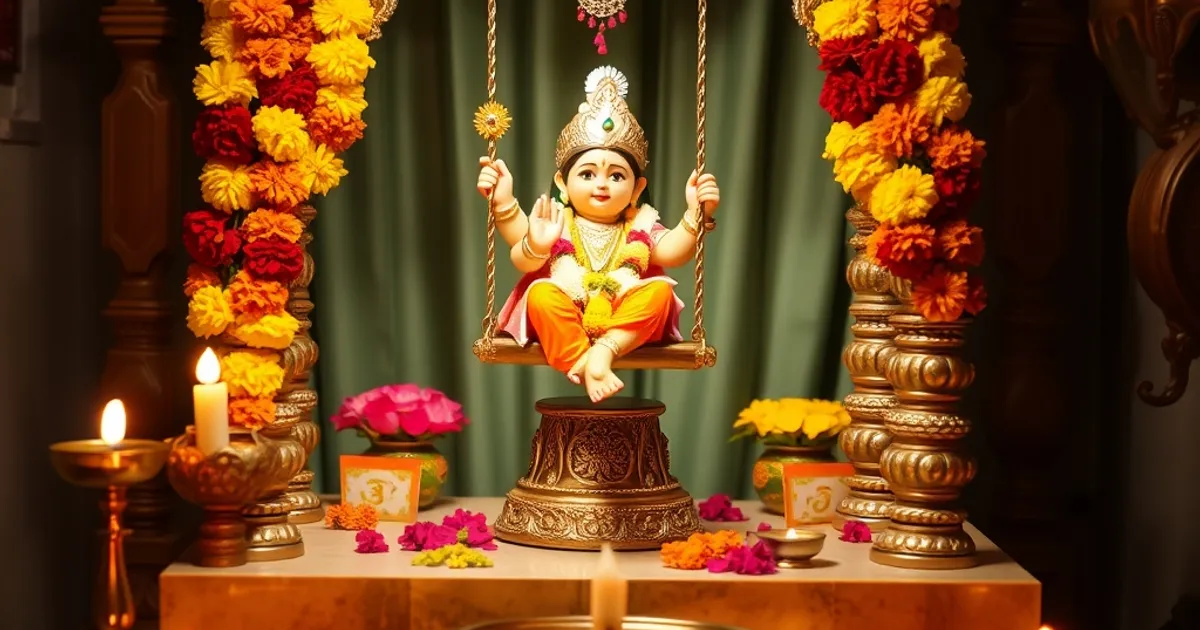
Daytime: Many devotees observe an Ekadashi or Ashtami fast. Temples begin special decorations of the Krishna altar — often a jhula (swing) for baby Krishna is set up and decorated with flowers.
Evening programs (6pm-11pm): Bhajans, kirtan, and classical dance or drama performances depicting scenes from Krishna's life. Some temples show recordings or live re-enactments of the Mahabharata or Bhagavatam stories.
Midnight puja (around 12am): The defining moment. Bells ring, conches are blown, arati is performed, and the deity is bathed (abhishek) in milk, honey, and flowers. The fast is broken with prasad — often panchamrit and sweets.
Dahi Handi: Some community organizations host this event separately during the day on August 23, drawing younger participants.
Parking can be extremely limited at smaller temples. Plan to arrive early or carpool. Many temples also stream their midnight puja online for those who cannot attend in person.
Community Events and the Silicon Valley Hindu Calendar
The South Asian Hindu calendar in Silicon Valley stays busy through summer 2026. The Jain Community of Northern California (JCNC) has an anniversary event on July 31, 2026 at jcnc.org. While Jain and Hindu communities are distinct, they share overlapping cultural calendars and many families participate in events across both communities.
Janmashtami arrives just weeks after Gurupoornima — a time of reflection and devotion to one's spiritual teacher. This back-to-back rhythm of festivals in July-August makes this a particularly rich period for the Hindu community in San Jose.
Beyond formal temple programs, expect informal celebrations: apartment complex gatherings with homemade mathri and makhan (butter), Krishna-themed rangoli in front of homes, and school-age children performing small plays at Indian cultural organizations and weekend heritage language schools across the South Bay.
Insider Tip
If you want the most immersive Janmashtami experience, arrive at Shri Krishna Vrundavana Temple (43 Sunol Street) by 9pm on the night of August 22. This gives you time to participate in the bhajans leading up to midnight, find a good spot near the altar, and not feel rushed. Wear comfortable clothes you don't mind crowding into — these midnight celebrations draw significantly more devotees than a regular evening puja. Bring cash for the donation box, as card readers are not always available during high-traffic festival evenings. If you are fasting, pack a small bag with fruits in your car for the drive home after the midnight prasad.
FAQ: Janmashtami 2026 in San Jose
Q: When exactly is Janmashtami 2026 in San Jose? A: Janmashtami 2026 falls around August 22-23. The main midnight celebration would be on the night of August 22 going into the early hours of August 23. Confirm exact dates with individual temples as the precise tithi can vary by regional Hindu calendar.
Q: Do I need to be Hindu to attend Janmashtami at a San Jose temple? A: Most Hindu temples in San Jose welcome sincere visitors of any background. It is respectful to dress modestly, remove footwear before entering the prayer hall, and follow the guidelines posted at the temple entrance.
Q: Is there a Dahi Handi event in San Jose? A: This varies year to year. Check with local Indian cultural organizations and community boards like those associated with the temples listed above closer to the festival date.
Q: Are the midnight pujas family-friendly for young children? A: They can be, but keeping young children awake until midnight is a personal call. Many temples hold afternoon or early evening programs that are more accessible for families with small children.
Q: Can I find prasad at these temples? A: Yes. Almost all temples distribute prasad after the midnight puja, typically including panchamrit (a mixture of milk, curd, honey, ghee, and sugar) and sweets like peda or ladoo.
Bottom Line
San Jose's Hindu temple community offers multiple strong options for celebrating Janmashtami 2026. Whether you are drawn to the Krishna-specific programs at Shri Krishna Vrundavana Temple on Sunol Street, the large community gatherings at Bharathiya Hindu Temple on Paragon Drive, or the discourse-led approach at Chinmaya Mission San Jose, there is a celebration that fits your family's style. Mark August 22-23 on your calendar, confirm timings directly with your chosen temple, and prepare for a memorable night. 🙏