
Weekend Activities for Desi Kids in Santa Clara
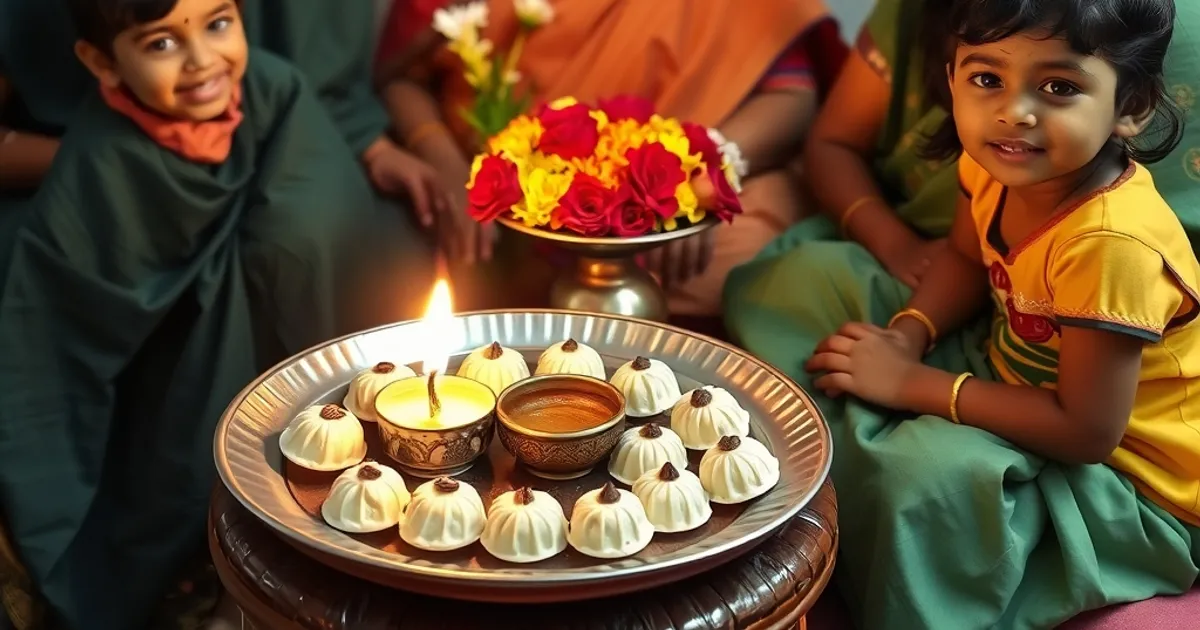
Weekend Activities for Desi Kids in Santa Clara
TL;DR 🗓️
- 🌕 Guru Purnima 2026 (July 28-29) is the season's biggest family occasion — perfect for temple visits and gratitude rituals with kids
- 🐍 Nag Panchami 2026 (August 16) opens doors to Indian mythology storytelling that kids actually find gripping
- 🙏 Sankashti Chaturthi on August 2 falls on a Sunday — an ideal day for a family Ganesh puja and modak-making session
- 📚 Between festival days, Santa Clara's library system, Indian grocery stores, and cultural classes fill out a rich Desi weekend calendar
- 🌳 Organizing small neighborhood puja gatherings is one of the most effective ways to build cultural community for diaspora kids
Making Desi Weekends Count in Santa Clara
Raising Indian kids in Santa Clara means navigating two calendars at once — the American one that governs school, sports, and playdates, and the Indian one that marks Ekadashi, Purnima, and the arc of festivals that give the year its spiritual shape. For Desi families in California's Bay Area, the weekend is the primary window for cultural transmission, and the summer stretch from late July through mid-August 2026 offers a genuinely full slate of occasions to work with.
None of the activities here require an elaborate production. The goal is consistent, low-friction engagement with Indian traditions — the kind that accumulates into real cultural literacy over years, not the kind that burns out after one exhausting Diwali prep marathon.
Puja Days as Weekend Anchors
The Hindu lunar calendar provides a natural rhythm of observances that can serve as weekly anchors for family life in Santa Clara. Here are the key dates coming up and how to turn each one into a meaningful activity for kids.
July 24 — Ekadashi: Ekadashi falls on the 11th lunar day of each fortnight and is primarily a Vaishnava fast day, traditionally observed by avoiding grains and focusing on prayer. For children, Ekadashi is an opportunity to discuss why fasting has meaning in Indian culture — not as deprivation, but as a conscious pause in ordinary routine. Even partial participation (a lighter meal, a short meditation or prayer together) plants the idea.
July 26 — Pradosh Vrat: Pradosh Vrat is observed in the evening hours of the 13th lunar day and is dedicated to Lord Shiva. For Santa Clara families, this can be as simple as lighting a lamp together after dinner, reciting "Om Namah Shivaya," and telling the kids one story connected to Shiva — the churning of the ocean, the story of Ganga's descent, or the cosmic dance of Nataraja. Ten minutes of story and flame is enough.
July 28-29 — Guru Purnima 2026: Guru Purnima 2026 is the year's most significant festival for this stretch of the calendar. It falls on the full moon of the Ashadha month and honors the tradition of the guru-shishya relationship — the bond between teacher and student that sits at the foundation of Indian learning. For Desi kids in Santa Clara:
- Take them to a local Bay Area temple that holds a special Guru Purnima program
- Have older children write a short appreciation letter to a teacher, tutor, music teacher, or dance instructor
- Read aloud or watch a video about the sage Vyasa, to whom Guru Purnima is traditionally dedicated
- Light a lamp together in the evening and have each family member name someone who has taught them something important
Many Santa Clara-area mandirs hold dedicated Guru Purnima 2026 programs over the weekend of July 28-29. Check temple notice boards or websites for timings. These programs often include children's activities, bhajans, and prasad distribution.
August 2 — Sankashti Chaturthi: Sankashti Chaturthi is the monthly Ganesh fast observed on the fourth day of the Krishna Paksha (dark fortnight). August's Sankashti Chaturthi falls on a Sunday — a genuine opportunity for a full family observance. Ganesha is, for most children, the most immediately engaging deity in the Hindu pantheon: his stories are vivid and often funny, his image is joyful, and the associated food (modak) is a real draw.
Activities for Sankashti Chaturthi with kids:
- Make modaks or laddoos together in the kitchen as a cooking project
- Print or draw a Ganesha coloring page and let younger children participate that way
- Tell the story of Ganesha's moon curse — which is specifically associated with Sankashti Chaturthi — and explain what it means to be humbled by your own vanity
- If you observe the fast, explain the tradition of breaking it after moonrise and let older kids wait for the moon together
August 8 — Ekadashi and August 10 — Pradosh Vrat: The second round of Ekadashi and Pradosh Vrat in this period. By now, if you've observed the July dates, these will feel more familiar to your children. Repetition is how children internalize cultural rhythm.
August 12 — Amavasya: The new moon day is traditionally associated with ancestor remembrance. For Desi kids old enough to understand, this is a meaningful occasion to talk about family history — grandparents, great-grandparents, the places the family comes from in India. Show photographs if you have them. Cook a dish from your regional tradition that was made on ancestor remembrance days in your family.
August 16 — Nag Panchami 2026: Nag Panchami 2026 falls on a Sunday and is one of the most visually and mythologically distinctive festivals in the Hindu calendar. Dedicated to serpents and their role in Indian cosmology, it opens conversations that children find genuinely interesting:
- Shesha Nag, the cosmic serpent on whom Lord Vishnu rests
- Vasuki, who was used as the rope in the churning of the cosmic ocean
- The agricultural roots of snake veneration in rural India, where cobras protected grain stores from rodents
- The traditional practice of drawing snake images with turmeric paste and offering milk (symbolically — wildlife advocates discourage actual milk offerings)
Because Nag Panchami 2026 is a Sunday, it is well-suited to a small neighborhood gathering. Consider inviting a few Desi families from your Santa Clara block or community to share the mythology, do a craft activity with the children, and observe a simple puja together.
Beyond the Puja: Weekends in Santa Clara
Puja days give the month its rhythm, but kids also need physical activity, peer connection, and fun. Santa Clara offers plenty for Indian families:
Santa Clara City Library: The library system runs multicultural programming throughout the summer. Check the calendar for storytelling events, craft workshops, and reading programs that can complement cultural observances at home.
Indian Grocery Outings: A weekly trip to an Indian grocery store is underrated as cultural education. Let kids learn the names of vegetables and spices in your family's language — dal varieties, fresh methi, curry leaves, murukkus — and involve them in choosing ingredients for a dish you'll cook together.
Classical Arts Classes: If your child is not yet enrolled in Carnatic music, Bharatanatyam, Hindustani vocal, or a similar Indian classical art, the weeks before the new school year in August are a natural time to explore classes. Many Santa Clara-area teachers run weekend sessions.
Outdoor Time at Bay Area Parks: Central Park in Santa Clara, Shoreline at Mountain View, and the Alviso Marina are all within easy reach. Pack a tiffin with Indian snacks and make an afternoon of it alongside puja observances.
Insider Tip: Guru Purnima 2026 (July 28-29) and Nag Panchami 2026 (August 16) both fall on weekends this year. Bay Area temple programs for these days sometimes require advance registration, particularly for children's sessions with storytelling and craft components. Check in early — don't wait until the week before.
FAQ
Q: My kids are very Americanized and resistant to puja activities. How do I engage them? Lead with the experiential elements: fire, fragrant flowers, the making and eating of festival foods, and vivid mythology. Story is the most reliable gateway. A well-told myth about Ganesha's moon curse or the cosmic serpent Shesha is more engaging than a lecture about the importance of tradition.
Q: How long should a home puja session be for young children? Ten to twenty minutes is generally sufficient for children under ten. The goal is consistent repetition over years, not marathon observances. A short lamp-lighting ceremony with one story and some prasad food creates the cultural memory.
Q: Where can I find children's books in Hindi, Tamil, Telugu, or other Indian languages in Santa Clara? The Santa Clara City Library has an Indian languages section. Several Indian grocery stores in the Bay Area stock children's books. Online ordering from Indian publishers typically arrives within a week.
Q: Is Sankashti Chaturthi appropriate for very young children? Entirely appropriate. Ganesha stories are engaging for children from toddler age, the rituals are hands-on, and the prasad food is universally liked. It is one of the most child-friendly observances in the Hindu calendar.
Bottom Line
Santa Clara's Desi families have three strong weekend anchors coming up: Guru Purnima 2026 at the end of July, Sankashti Chaturthi in early August, and Nag Panchami 2026 on August 16. Each falls on or near a weekend, each offers real family activity potential, and none requires elaborate preparation. The cultural thread you build now — through stories, puja, food, and community — is the one your kids carry forward into adulthood.