
Singapore's Desi Food Scene: Mr Biryani
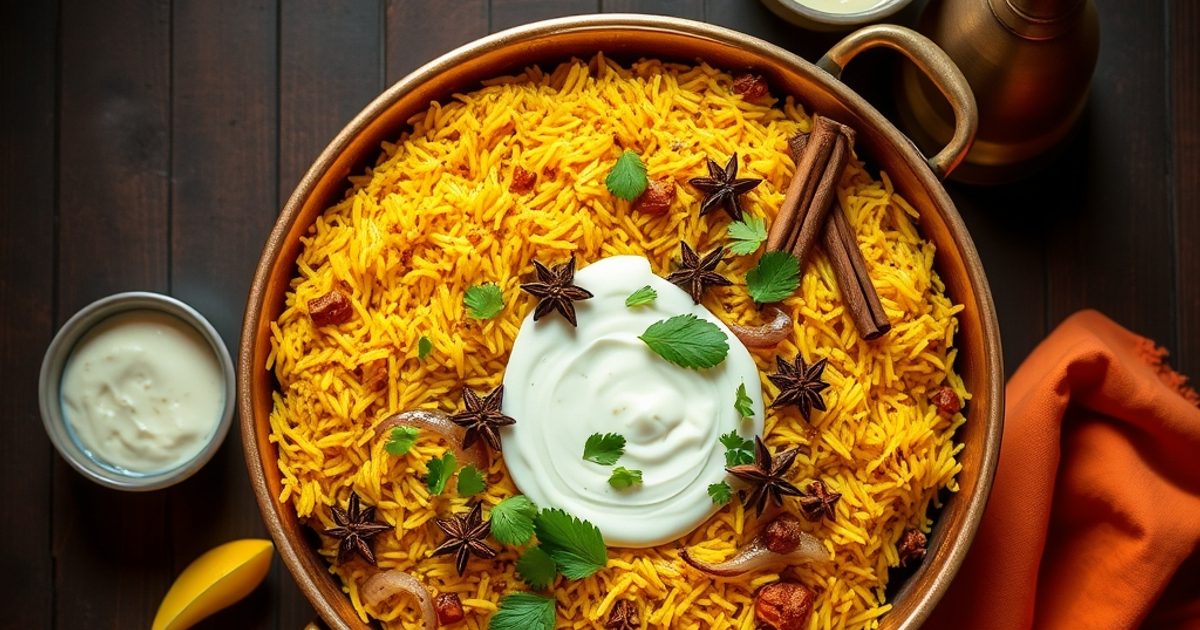
Singapore's Desi Food Scene: Mr Biryani
For South Asians living in Singapore, biryani is never just a meal — it is a mood, a memory, and sometimes a whole Sunday ritual. Whether you grew up with Hyderabadi dum, Lucknowi awadhi, or the punchy spice of a Dindigul-style pot, finding the right biryani in this city can feel deeply personal. Thankfully, Singapore's Desi food scene takes the dish seriously.
TL;DR
- 🍚 Singapore has a genuinely diverse biryani landscape — from hole-in-the-wall gems to sit-down heritage restaurants.
- 📍 Serangoon Road and Dunlop Street remain the heartbeat of the city's biryani culture.
- 🕐 Opening hours vary wildly, so always check ahead before making the trip.
- 🌶️ Bismillah Biryani on Dunlop Street is one of the most talked-about stops in Little India.
- 👨👩👧 Many of these spots are family-run, cash-friendly, and built for the community — not the tourist trail.
Why Biryani Hits Different in Singapore
There is something quietly radical about a great biryani surviving — and thriving — in a city as fast-moving and food-trend-obsessed as Singapore. Biryani is fundamentally unhurried. The rice needs time. The meat needs patience. The spices need to bloom. In a hawker culture that prizes efficiency, a proper biryani shop makes a quiet statement: some things are worth waiting for.
For the South Asian diaspora here, biryani also carries an almost geographic specificity. A Tamil family from Chennai will tell you theirs is nothing like the version a Hyderabadi colleague brings to the office potluck. A Pakistani colleague's biryani will smell entirely different to the Malabar-style one from a Malayali neighbour. Singapore, being home to South Asians from across the subcontinent and Sri Lanka, holds space for all of these variations — and that is genuinely worth celebrating.
The Undisputed Pilgrimage: Little India
If there is one corridor every biryani-seeker in Singapore should walk, it is the stretch around Dunlop Street and the wider Little India precinct. This is where the community has been feeding itself for generations, and the food reflects that accumulated care.
Bismillah Biryani at 50 Dunlop Street is one of the most consistently recommended spots in this stretch. It has been part of the Little India fabric for years, and regulars will tell you to arrive early — the best portions go fast. Their website is at bismillahbiryani.com if you want to check what they are doing before you head down. The address is easy to find and the walk from Little India MRT is short, but the queue can tell its own story about how good the food is.
Nearby, Serangoon Road is its own universe. Khansama Tandoori Restaurant at 166 Serangoon Road has long been a familiar name, and the stretch towards Race Course Road gives you a range of options depending on whether you want a quick plate or a proper sit-down meal.
Beyond Little India: Spots Worth the Trip
Biryani love is not confined to Little India. Singapore's Desi community is spread across the island, and the food has followed.
Kalam Restaurant has carved out a devoted following, with an online presence at kalamrestaurant.sg for those who want to browse the menu or make contact before visiting. They do not have a listed address in the usual directories, which is part of what makes word-of-mouth discovery so satisfying — ask around in Desi community groups and you will find the regulars.
For those in the west, KNS Restaurant at 990 Jurong West Street 93 fills an important gap. West-siders have been grateful for a proper Indian option that does not require a cross-island MRT journey, and the contact number +65 6816 1633 is worth saving. Their website at knsrestaurant.com gives you a sense of the menu before you visit.
Up in the north, Casuarina Curry on 136–138 Casuarina Road is a name that has been on Singapore Desi lips for decades. It is a place that feels genuinely rooted — the kind of restaurant you bring your parents to when they visit from back home, because it will not disappoint. You can reach them at +65 6455 9093 or through casuarinacurry.com.
💡 Desi Insider Tip: If you are eating biryani solo or with one other person, always ask for it to be served with a side of salna or shorba if it is available — the gravy transforms the experience. Many places in Singapore do not advertise this pairing loudly, but the kitchen almost always has it. Just ask.
The Cultural Layer: What Makes a Biryani Desi in Singapore
What separates a biryani made for the community from one made for general consumption is often the spice calibration, the choice of rice, and crucially, the fat. Ghee matters. Whole spices matter. The practice of layering — putting the partially cooked rice over the meat and sealing the pot — is what creates that signature steamed fragrance that no shortcut can replicate.
In Singapore, the best Desi biryani spots tend to keep things honest. They are not trying to win a fine-dining award. They are trying to make the aunty from Hyderabad feel like she is somewhere familiar. That intention shows up in the food.
Places like Lagnaa on the contact number +65 6296 1215 approach Indian food with a similar ethos of authenticity — their barefoot dining concept puts the experience and the flavour first, without unnecessary theatre. While they span a broader Indian menu, it is the kind of place where serious food conversations happen.
For the Weekend Table: Where to Take the Whole Family
Biryani is fundamentally a sharing food. It is hard to eat it alone without feeling like something is missing. For weekend family meals, a few spots stand out for their ability to handle a table of six to ten without breaking the experience.
MTR Restaurant at 438 Serangoon Road brings the legacy of the iconic Bangalore original to Singapore. It is a pilgrimage for South Indian food lovers, and while their biryani is part of a much wider menu, it lands in a context of genuine culinary heritage. Their website at mtrsingapore.com gives you the full picture.
Jaggi's Northern Indian Cuisine at 36 Race Course Road is another reliable anchor for family meals. The Race Course Road strip is one of those Singapore dining institutions — you walk it on a weekend evening and the smell alone does half the convincing. Jaggis.com.sg has the details.
Ordering Smart: Practical Tips for Biryani in Singapore
A few things that experienced biryani-goers in Singapore already know, but newcomers to the city should note:
Arriving early is not optional at the smaller, high-demand spots. Several of the most beloved places sell out of key items by early afternoon, especially on weekends. This is not a myth — it is a lived reality for anyone who has shown up at 1 pm hoping for a pot biryani.
Call ahead when you can. Many of these restaurants are family-run with small teams. A quick call to confirm availability — especially if you are bringing a group — saves everyone frustration. The contact numbers in this article are real and current.
Check the day. Some of the best spots are closed on Mondays or have reduced menus on certain days. The community-focused spots in particular tend to run on rhythms that suit the owners, which is entirely fair and worth respecting.
FAQ
Q: Is biryani widely available across Singapore or mostly in Little India? It is available across the island, but the highest concentration of dedicated, community-facing biryani spots is in and around Little India, Serangoon Road, and Race Course Road. That said, places like KNS Restaurant in Jurong West prove that good biryani has migrated well beyond the historic Desi belt.
Q: Are these restaurants halal-certified? Many of the biryani-focused restaurants in Singapore's Desi scene do operate with halal credentials, but certification status can change. Always check directly with the restaurant before visiting if this is important to you — call ahead or check their website.
Q: What is the difference between the various biryani styles you might find in Singapore? Broadly, you will encounter South Indian styles (lighter, more aromatic, often with coconut milk influences), Hyderabadi dum biryani (heavier, intensely spiced, slow-cooked), and North Indian / Mughlai styles (rich, with more saffron and cream notes). Each has its loyal following in Singapore's South Asian community.
Q: Can I order biryani for delivery in Singapore? Many of these restaurants are available on local delivery platforms, and some take direct orders. Check their individual websites for the most current information, as delivery arrangements change.
Q: What should I order alongside biryani? Raita (yoghurt with cucumber and spices), a boiled egg, and a side of salan or shorba are classic companions. Some places include these automatically; others charge separately. Always ask.
The Bottom Line
Singapore's biryani scene is richer, more varied, and more community-rooted than it often gets credit for. From the long-standing institutions along Dunlop Street and Serangoon Road to the newer spots finding their footing in residential neighbourhoods, the city's Desi food lovers have genuine options — and the discernment to know the difference between a perfunctory plate and the real thing.
The best way to navigate it all is to stay connected with the people who live it. Recommendations from a colleague, a WhatsApp group tip, or a community forum are often worth more than any review. For more on where the Singapore Desi community eats, gathers, and celebrates, keep exploring right here on Desi.Net — this is your local guide, written by the community, for the community.