
Singapore Blocks Anti-Indian Social Media Posts as Tamil Teachers Union Marks 75 Years
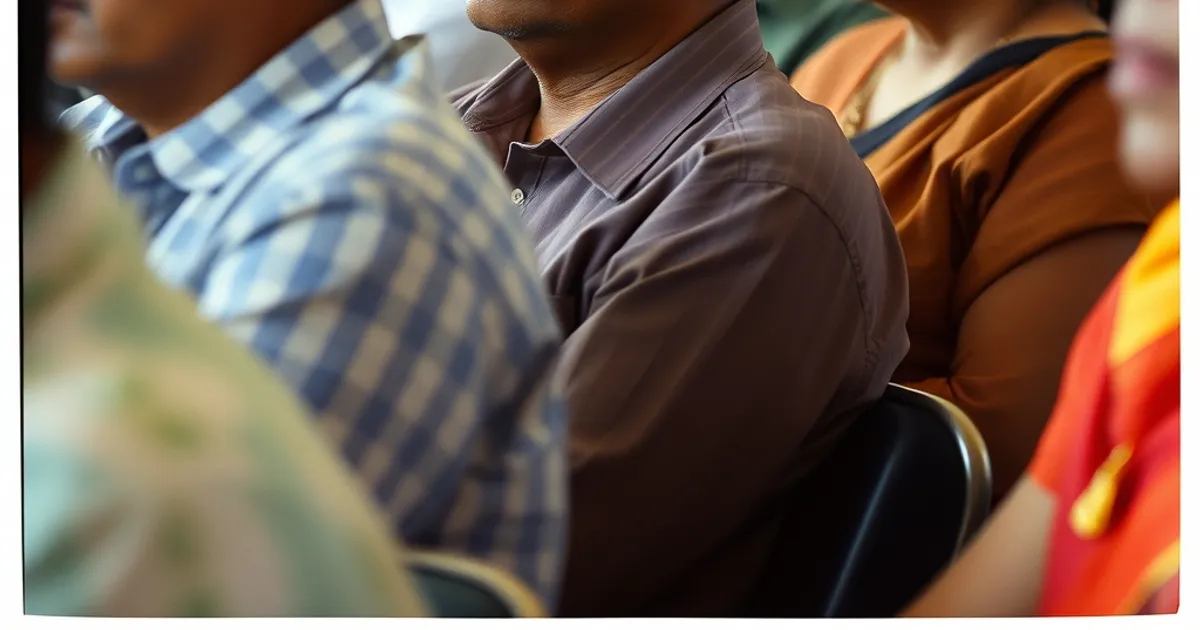
Singapore's Ministry of Home Affairs has directed three major social media platforms to disable 14 foreign-originated posts targeting the local Indian community, tracing the content to a China-based source. The action followed a landmark cultural moment — Prime Minister Lawrence Wong's attendance at the Singapore Tamil Teachers' Union 75th anniversary dinner — underscoring the government's layered commitment to Singapore's South Asian communities.
🗳️ Singapore Orders Social Media Platforms to Block 14 Posts Targeting Indian Community
Singapore's Ministry of Home Affairs (MHA) has issued disabling directions to YouTube, Facebook, and X under the Online Criminal Harms Act, requiring the platforms to block access to 14 posts that "target the Indian community and undermine Singapore's model of multiculturalism." Investigations revealed that the content likely originated from a China-based platform before being amplified more widely across social media channels. Second Minister for Home Affairs Edwin Tong addressed reporters at Siglap South Community Centre, stating the videos used footage of Singapore's Little India district to stoke racial division. "These videos attack our multiracial society and they try to divide people based on race. This, however, is not who we are. Every community in Singapore here is valued and everyone has an equal place," Tong said. The platforms were required to take all reasonable steps to disable access by Singapore users to the offending posts. The episode illustrates Singapore's zero-tolerance posture toward foreign interference in domestic racial relations, and the government's readiness to invoke statutory powers to shield minority communities from coordinated online harassment. Authorities signaled that further action will follow should similar content targeting any racial or religious group resurface on platforms accessible to Singapore users. [6]
🤝 PM Wong Salutes Tamil Educators at Singapore Tamil Teachers' Union 75th Anniversary Dinner
Prime Minister Lawrence Wong joined members of the Singapore Tamil Teachers' Union (STTU) for a gala dinner on July 17, 2026, marking the union's 75th anniversary — a milestone that predates Singapore's own independence. In his speech, Wong honored STTU's growth from a small founding membership to a volunteer-run organization of more than 600 educators, including pre-school teachers, who champion both the welfare of Tamil language instructors and the vitality of Tamil instruction across Singapore schools. Wong acknowledged the particular challenge facing Tamil educators in a society where English dominates daily communication, noting that students today have fewer natural opportunities to speak or read Tamil outside classroom settings. He praised Tamil teachers for doing far more than transmitting vocabulary and grammar — passing on stories, values, and traditions that keep the community anchored to its cultural heritage. "Our Mother Tongue languages connect us to our roots, our values, and our cultural heritage," Wong told the audience. "They help us understand where we came from and they shape who we are." The NTUC Secretary-General also celebrated membership growth. The dinner stands as a powerful affirmation of Tamil education's central place in Singapore's multiracial identity and its national education system. [3]
UN Experts Formally Urge Canada to Protect Threatened Sikh Activist Moninder Singh
Five United Nations human rights experts have issued a formal letter urging Canada to take all feasible measures to protect Sikh activist Moninder Singh, a Canadian national who has received four "duty to warn" notices since 2022 alerting him to credible, imminent threats on his life. The letter, dated June 3, 2026, and made public two months later per standard UN procedure, was signed by special rapporteurs covering counter-terrorism, peaceful assembly, human rights defenders, freedom of religion, and democratic order. The experts cited "concerning allegations of foreign intimidation and reprisals" and called on Canada to accelerate investigations, hold perpetrators accountable, and prevent recurrence. A copy of the letter was simultaneously transmitted to the Indian government. Singh visited the UN in Geneva earlier in 2026 to raise international awareness of what Sikh advocates describe as India's transnational targeting of diaspora community members — allegations India firmly denies. His case is framed against the backdrop of the 2023 killing of Hardeep Singh Nijjar, a close friend gunned down near a Vancouver-area Sikh temple, which triggered a major Canada-India diplomatic rupture. The UN intervention signals sustained international concern over the safety of diaspora Sikh activists caught in geopolitical tensions between India and Western governments. [2]
🎉 Indian Mango Festival 2026 Brings Prized Varieties and Culinary Culture to Singapore
The Indian Mango Festival 2026 arrived in Singapore with an abundance of prized mango varieties flown in from across India, giving the city-state's South Asian diaspora and food-curious residents a rare opportunity to savour fruits such as Alphonso, Kesar, and Dasheri at their seasonal peak. Organized through Singapore's Indian diplomatic and cultural community, the festival combined a premium produce market with a wider celebration of Indian culinary heritage, featuring food stalls serving dishes that highlight the mango's versatile role in Indian cooking — from chutneys and lassis to curries and festival sweets. Cultural performances, storytelling on the history of mango cultivation across the subcontinent, and cooking demonstrations enriched the event beyond a simple market showcase. For many in Singapore's Indian community, the festival provides both a sensory link to the homeland and a gathering point for members across regional and linguistic backgrounds. Organizers highlighted the event's role in promoting bilateral agri-trade and strengthening people-to-people bonds between India and Singapore. The 2026 edition drew strong attendance from both the Indian diaspora and Singaporeans broadly, reflecting the deep roots of Indian food culture in the city-state and growing mainstream curiosity about authentic South Asian culinary traditions. [7]
55-Year-Old Arrested After Repeated Break-ins and Thefts at Bedok Hindu Temple
A 55-year-old man was arrested within three hours of a reported housebreaking at a temple along Bedok North Avenue 3 in the early hours of July 31, 2026, after cash totaling S$390 was stolen from donation boxes. Singapore Police's Bedok Division identified the suspect through CCTV and police camera footage, recovering S$290 in cash at the time of arrest. Preliminary investigations subsequently linked the man to two additional unreported housebreaking incidents at the same temple in which a further S$1,965 was taken — bringing the alleged total to more than S$2,350. The accused was charged with housebreaking and theft on Saturday, an offence that carries a potential prison term of up to ten years, plus possible caning or a fine. The temple serves the South Asian Hindu community in the Bedok area, one of several districts in Singapore's east where Tamil and Indian residents have long maintained active places of worship. Community leaders responded with concern, calling for improved security measures at temples and religious institutions across the island. The swift arrest was widely credited to Singapore's extensive public surveillance network, which officers used to trace the suspect in the hours following the first reported incident, demonstrating the effectiveness of integrated camera coverage in deterring and solving crimes against places of worship. [4]
🪔 BAPS Swaminarayan Mandir Singapore Observes Diwali and Annakut with Devotion
The BAPS Shri Swaminarayan Mandir at Joo Chiat Road in Singapore hosted its annual Diwali and Annakut celebrations, gathering hundreds of devotees from the city-state's Gujarati and broader Hindu community for an evening of spiritual observance, prayer, and thanksgiving. The Annakut ceremony — in which an elaborate array of food offerings is presented before the deity — is a defining tradition within BAPS worship worldwide and draws a large and dedicated congregation at the Singapore mandir each October. The Joo Chiat location is the spiritual home for Swaminarayan followers in Singapore and maintains an active year-round calendar of religious and cultural programming, including Janmashtami observances, birthday assemblies for HH Mahant Swami Maharaj, and regular satsang sessions that serve the spiritual needs of worshippers from across the South Asian diaspora. Diwali at the mandir is marked by illuminated decorations, devotional bhajans, and the sharing of prasad within a warm community atmosphere that connects Singapore's Indian families to traditions rooted in Gujarat and the Swaminarayan sampraday. Events of this kind play a vital role in cultural continuity for diaspora communities, offering the next generation of Singaporean Hindus living experience of the ceremonies, stories, and values that define their religious and cultural heritage in a setting far from the Indian subcontinent. [1]
Sources: [6] South China Morning Post · [3] Prime Minister's Office Singapore · [2] Yahoo News Singapore · [7] Indiplomacy · [4] AsiaOne · [1] BAPS Swaminarayan Sanstha