
Singapore Tamil Teachers' Union Marks 75 Years as PM Lawrence Wong Attends Anniversary Dinner
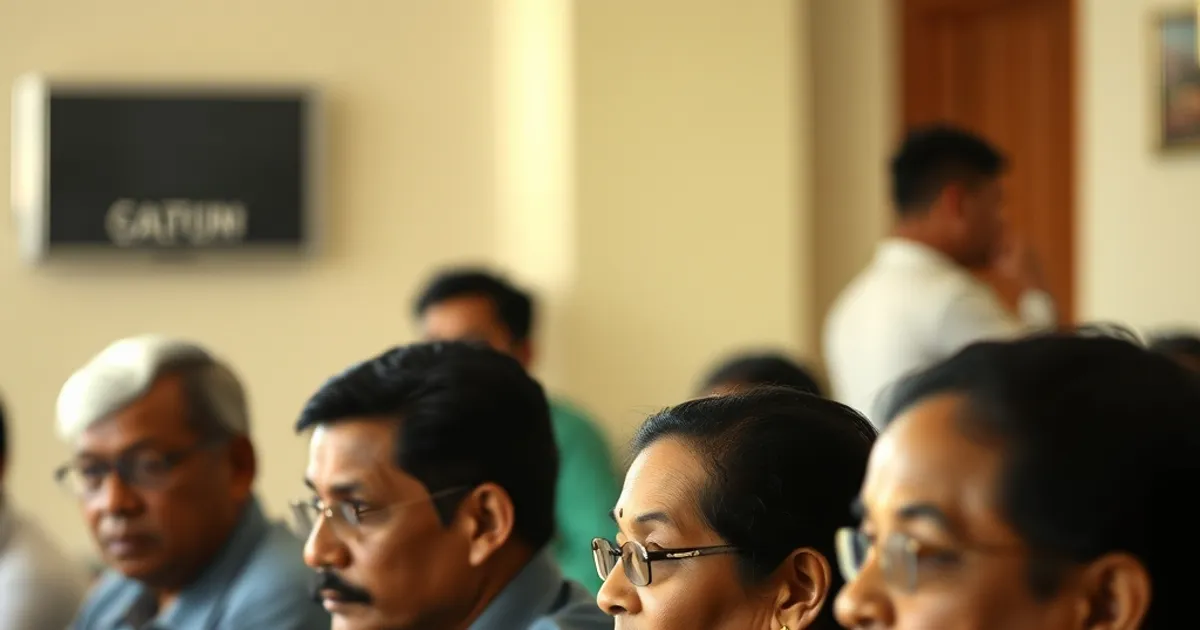
Prime Minister Lawrence Wong attended the Singapore Tamil Teachers' Union's 75th anniversary dinner this week, honouring seven and a half decades of Tamil-language educational service in Singapore. Separately, Singapore authorities cancelled the work permits of two Bangladeshi nationals who had made extremist posts on social media, underscoring the city-state's strict approach to preserving social and religious harmony.
🪔 STTU Looks Ahead at Landmark 75th Anniversary Celebrations
The Singapore Tamil Teachers' Union (STTU) celebrated its 75th anniversary this week, marking seven and a half decades of dedicated service to Tamil-language education in Singapore. According to Tabla, Singapore's Tamil-language community publication, the event carried an orientation that was as much about the future as the past, with the union looking ahead to new goals even as it honoured its long history. The STTU has for generations served as the professional and cultural home of educators who teach in Tamil across Singapore's schools, advocating for the Tamil language within the city-state's multilingual education framework. The 75th anniversary gathering brought together teachers, community leaders, and supporters to reflect on the union's journey from its earliest years to the present. Tabla's coverage emphasized the union's forward-looking spirit, suggesting active planning for initiatives that will serve members in coming years. Singapore's strong mother-tongue education policy has kept organisations like the STTU vital, as families and educators seek to ensure Tamil remains a living, spoken, and written language for younger Singaporeans. The milestone reinforces the Tamil community's deep investment in educational institutions as a means of preserving cultural identity and linguistic heritage within Singapore's richly diverse society. [4]
🗳️ PM Lawrence Wong Graces STTU 75th Anniversary Dinner
Prime Minister Lawrence Wong attended the Singapore Tamil Teachers' Union's 75th anniversary dinner, a gesture that underscored the government's recognition of the Tamil community's sustained contributions to Singapore's educational and social landscape. The occasion, marked by the Prime Minister's Office of Singapore, highlighted the significance the nation places on its Tamil-language teaching community. The STTU anniversary dinner brought together educators, community figures, and dignitaries for an evening combining celebration with reflection on the union's decades of service. PM Wong's presence at a community gathering of this nature signals the strong relationship between Singapore's national leadership and the Tamil-speaking citizens who form one of the country's four major ethnic communities. Tamil teachers have played an indispensable role in maintaining Tamil language instruction through school curricula, and the STTU has been central to sustaining that effort across generations. The Prime Minister's attendance reinforces the national value Singapore places on mother-tongue education and the organisations that uphold it, while acknowledging the commitment of teachers who have ensured Tamil remains a vibrant part of the island's cultural and educational life. [2]
🤝 Singapore Cancels Work Permits of Two Bangladeshis Over Extremist Social Media Posts
Singapore authorities cancelled the work permits of two Bangladeshi nationals after they were found to have made extremist posts on social media, the Straits Times reported. The action reflects Singapore's firm and consistent approach to safeguarding social and religious harmony in a multi-ethnic, multi-religious society where inflammatory online content can carry serious real-world consequences. The two individuals, working in Singapore under employment arrangements, were found to have violated the city-state's strict norms against content that could incite communal or religious tensions. Cancellation of work permits effectively requires the individuals to leave the country. Singapore has a well-established framework for addressing extremism and threats to social cohesion, and authorities have taken similar action against individuals of various nationalities in the past for comparable offences. The Bangladeshi community in Singapore is substantial, comprising a significant portion of the city-state's foreign worker population across construction, marine, and other industries. This case serves as a reminder of the responsibilities all permit holders carry to engage responsibly online and to uphold Singapore's values of communal respect and harmony. Singapore's security agencies and the Ministry of Manpower retain authority to act swiftly where foreign nationals pose risks to national security or social cohesion. [1]
🗳️ India's Education Minister Quits as Protesters Claim Landmark Victory
India's education minister resigned amid sustained public protests, with demonstrators claiming a significant political victory as a result of their campaign, according to a Reuters report carried by Yahoo News Singapore. The development marks a notable instance of organised civic pressure shaping ministerial decisions in the world's most populous democracy. The resignation drew close attention from Singapore's large and diverse Indian diaspora community, who maintain strong familial, cultural, and economic ties with India and follow political developments there with considerable interest. Singapore's Indian community spans Tamil, Hindi, Telugu, Kannada, and many other linguistic backgrounds, numbering in the hundreds of thousands, and changes at the ministerial level in India — particularly within the education portfolio — carry resonance across this population. Education policy in India has long been a subject of public debate, touching on issues of language, curriculum, access, and institutional governance. A minister's exit under public pressure signals the potency of popular advocacy in India's democratic system. For the diaspora, such developments are followed not only out of personal interest but also because shifts in India's education policy can affect the quality and international recognition of Indian academic institutions from which many diaspora members or their families have graduated. [3]
Sources: [4] tabla.com.sg · [2] Prime Minister's Office Singapore · [1] The Straits Times · [3] Yahoo News Singapore