
Desi Culture & Faith Highlights in Sunnyvale
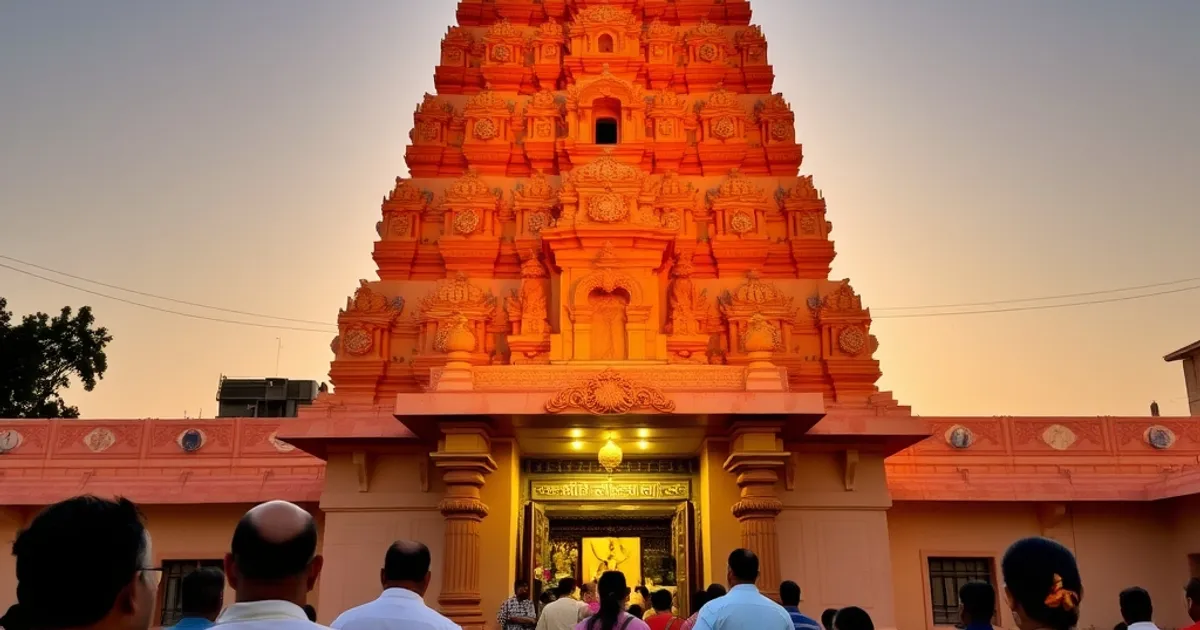
Desi Culture & Faith Highlights in Sunnyvale
TL;DR
- 🛕 Sunnyvale Hindu Temple & Community Center at 450 Persian Drive is open daily 9am-9pm and offers multiple aarti sessions every day of the week
- The Shirdi Sai Darbar on Lakewood Drive provides a dedicated home for Sai Baba devotees across the South Bay Indian community
- 🗓️ Late July through August brings Guru Purnima, Ekadashi, Shravan Som, and more to the spiritual calendar of Silicon Valley's Desi families
- Hindu Temple Of South Bay serves the diverse traditions within Sunnyvale's South Asian population year-round
- 🤝 Sunnyvale has become one of the most significant hubs for Indian families and professionals in the United States
Sunnyvale, California sits at the geographic and cultural center of Silicon Valley, and for the Indian and South Asian diaspora, it is considerably more than a node in the tech economy. It is a place where faith, language, food, and festival have taken root alongside careers and families over several decades. The Desi community here — spanning Tamil Nadu engineers, Gujarati entrepreneurs, Punjabi families, Telugu professionals, and every background in between — has built an institutional infrastructure that keeps cultural and spiritual life flourishing year-round.
Three temples anchor the spiritual landscape of Sunnyvale's Indian community, each serving different traditions and populations while together forming a remarkable concentration of South Asian religious life in a single American city.
Sunnyvale Hindu Temple & Community Center
The Sunnyvale Hindu Temple & Community Center at 450 Persian Drive is one of the most active centers of South Asian religious life in Northern California. Open daily from 9am to 9pm, it maintains multiple aarti sessions each day without exception: Afternoon Aarthi runs Monday through Friday at 12pm and on Saturday and Sunday at 1pm, while Evening Aarthi takes place daily at 8pm. These consistent, predictable schedules make the temple a reliable destination for Indian families whether they are long-settled residents or recently arrived professionals still finding their footing in Silicon Valley.
For newcomers to Sunnyvale, the Sunnyvale Hindu Temple & Community Center is often the first community anchor. The temple is reachable at +1 408-734-4554 or by email at hindutempleofsunnyvale@gmail.com — two contact points that make it easy to ask about upcoming events, confirm festival-day schedules, or inquire about specific puja services. The programming extends well beyond daily worship: cultural events, spiritual discourses, and festival celebrations fill the calendar throughout the year, turning 450 Persian Drive into a genuine community institution rather than a purely religious site.
The temple's daily aarti schedule reflects something important about the Sunnyvale Indian community: faith here is not a weekend practice but an integrated part of daily life. The 12pm noon aarti, for instance, draws working professionals on their lunch breaks — a small ritual pause in the middle of a Silicon Valley workday that many devotees describe as genuinely centering.
Shirdi Sai Darbar
A short distance away, Shirdi Sai Darbar at 870 Lakewood Dr, Sunnyvale, CA 94089 serves the many Sai Baba devotees within the Bay Area's Indian community. Shirdi Sai Baba's teachings — built around the twin pillars of Shraddha (faith) and Saburi (patience) and emphasizing the unity of all religious traditions — resonate deeply across regional and linguistic lines within the Indian community. The fact that Sai devotion finds followers among both Hindus and those from other backgrounds makes Shirdi Sai Darbar a pluralistic spiritual space in the fullest sense.
Gatherings at Shirdi Sai Darbar center on Thursday puja — Thursday being considered especially sacred to Sai devotees — as well as Sai Satcharitra readings and bhajan sessions that draw attendees from across Sunnyvale and the wider South Bay. For Indian families who grew up in Maharashtra, Andhra Pradesh, Karnataka, and other states where Sai devotion is woven into household life, having a dedicated darbar in their adopted city is a meaningful connection to the traditions of home.
The community that gathers at Shirdi Sai Darbar reflects the diversity of Sunnyvale's Indian population: Telugu speakers and Marathis, software engineers and small business owners, families who arrived in the 1980s and those who came last year. Sai Baba's message of universal love provides common ground across all these differences.
Hindu Temple Of South Bay
The Hindu Temple Of South Bay at 450 Persian Dr, Sunnyvale, CA 94089 completes the trio of major spiritual anchors for the local Indian community. The temple adds its own distinct programming and deity focus to the devotional landscape, ensuring that the full range of Hindu traditions — Vaishnavism, Shaivism, Shakta practice, and more — finds meaningful expression within the community.
The presence of multiple active temples within a compact geographic area is not redundancy. It is abundance. Different temples serve different linguistic communities, different regional traditions, and different personal approaches to worship. The Tamil devotee who observes Agama-based puja, the Gujarati family with a Vaishnava tradition, and the Kannada professional who maintains a Shaiva practice each find a space where their particular form of devotion is fully understood. Hindu Temple Of South Bay contributes to this ecosystem, ensuring that no strand of the Indian community's rich devotional life is left without a home in Sunnyvale.
Insider Tip: Planning a visit to Sunnyvale Hindu Temple & Community Center on a major festival day? Note that the Afternoon Aarthi schedule shifts between weekdays and weekends — noon on Monday through Friday, but 1pm on Saturday and Sunday. Call +1 408-734-4554 or email hindutempleofsunnyvale@gmail.com before traveling on festival days to confirm any special timing adjustments.
The Spiritual Calendar This Season
The panchang — the Hindu lunar calendar — sets the rhythm of religious life for much of Sunnyvale's Indian community, and late July through August 2026 is a particularly dense stretch of observances. Ekadashi falls on July 22, followed by Pradosh Vrat on July 26 and 27. Then comes Guru Purnima 2026 on July 29, the full moon day dedicated to honoring teachers and spiritual guides. Guru Purnima is consistently one of the most attended temple occasions of the year, drawing families who might not come on a regular weekday to offer their gratitude and seek blessings.
August begins with Sankashti Chaturthi on the 2nd, sacred to Lord Ganesha, and then Shravan Som starting on August 3. The Mondays of the Shravan month bring some of the highest temple attendance of the entire year, particularly at Shiva temples. For all three of Sunnyvale's major temples — Sunnyvale Hindu Temple & Community Center, Shirdi Sai Darbar, and Hindu Temple Of South Bay — this period marks a season of elevated activity, special programs, and community-wide participation that makes the South Bay feel especially alive with spiritual energy.
The Broader Ecosystem of Desi Life in Sunnyvale
The temples are essential, but they are one part of a much larger infrastructure of Indian life that Sunnyvale has built over decades. Children attend Carnatic music classes on Saturday mornings and Bharatanatyam lessons in the afternoons. Cultural organizations host classical dance performances and Kuchipudi recitals. Language schools offer classes in Tamil, Hindi, Telugu, and Kannada so that second-generation children maintain connection to their heritage languages.
Indian grocery stores across Sunnyvale stock everything from south Indian staples to north Indian spices, making it possible to maintain authentic home cooking alongside a demanding Silicon Valley work schedule. Indian restaurants serve regional cuisines that would be difficult to find outside of India's major cities. During festival seasons, the city's Desi neighborhoods take on a distinctly festive character — lights, flowers, and the smell of incense making the South Asian roots of the community visible and tangible.
All of this — the temples, the schools, the stores, the associations — adds up to a community that has successfully transplanted not just its people but its culture to Northern California. For Indian families who have chosen Sunnyvale as their home, the question is rarely whether they can maintain their traditions here. It is which temple to visit first.
FAQ
What are the daily hours for Sunnyvale Hindu Temple & Community Center? The temple is open daily from 9am to 9pm. Afternoon Aarthi is at 12pm Monday through Friday and 1pm on Saturday and Sunday. Evening Aarthi takes place at 8pm daily.
How can I contact Sunnyvale Hindu Temple & Community Center? The temple can be reached at +1 408-734-4554 or by email at hindutempleofsunnyvale@gmail.com.
Where is Shirdi Sai Darbar located in Sunnyvale? Shirdi Sai Darbar is at 870 Lakewood Dr, Sunnyvale, CA 94089.
What is the address of Hindu Temple Of South Bay? Hindu Temple Of South Bay is located at 450 Persian Dr, Sunnyvale, CA 94089.
Which Hindu traditions are represented by Sunnyvale's temples? The three major temples collectively serve Vaishnavism, Shaivism, Shakta traditions, Sai devotion, and the devotional practices of Tamil, Telugu, Kannada, Gujarati, Punjabi, Maharashtrian, and other regional communities within the Indian diaspora.
Bottom Line
Sunnyvale's three temples — Sunnyvale Hindu Temple & Community Center, Shirdi Sai Darbar, and Hindu Temple Of South Bay — form the spiritual backbone of one of the most concentrated Indian communities in the United States. With Guru Purnima, Shravan Som, and a series of significant panchang observances approaching through July and August, now is an excellent time for Desi families across Silicon Valley to plan their visits, confirm aarti schedules, and reconnect with the community spaces that have made Sunnyvale a genuine home for the Indian diaspora over many decades.