
Finding Your Temple & Community in Sunnyvale
Finding Your Temple & Community in Sunnyvale
For many South Asians, the first thing they unpack after moving to a new city isn't a suitcase — it's a small murti, a packet of agarbatti, and the quiet hope that somewhere nearby, a familiar bell is ringing. Sunnyvale is home to one of the Bay Area's most vibrant Desi communities, and its spiritual infrastructure has grown to match. Whether you are newly arrived or have lived here for years and simply haven't found your people yet, this guide is your starting point.
TL;DR
- 🛕 Sunnyvale has established Hindu temples serving different traditions and devotional styles.
- 📍 The Sunnyvale Hindu Temple & Community Center on Persian Drive is a well-known anchor for worship and cultural events.
- 🙏 Shirdi Sai Darbar serves devotees of Sai Baba in the Borregas/Lakewood area of north Sunnyvale.
- 🤝 Temples here are community hubs — festivals, language classes, and volunteer networks live inside them.
- 🔍 Connecting takes some proactive effort, but the rewards — belonging, celebration, support — are very real.
Why Sunnyvale Is Different From Back Home
Back in India or Pakistan or Sri Lanka, the neighborhood mandir or masjid or gurdwara was simply there — woven into the street, announced by a loudspeaker at dawn. Here, community is something you have to choose and sometimes drive to. That's not a complaint; it's just the shape of diaspora life.
What Sunnyvale does have going for it is density. Thousands of South Asian tech workers, students, families, and retirees live within a few zip codes of one another. The spiritual and cultural institutions that have grown here reflect that critical mass. Finding them — and then actually showing up — is the work, and it is absolutely worth doing.
The Temples Worth Knowing About
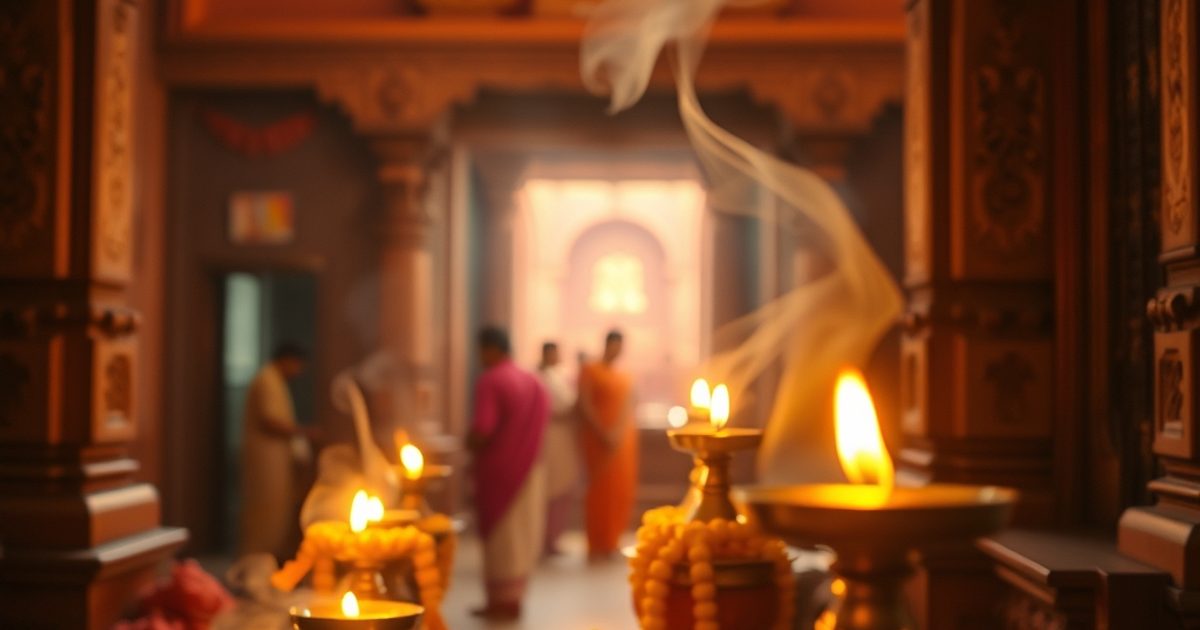
Sunnyvale Hindu Temple & Community Center sits at 450 Persian Drive and is one of the most recognizable South Asian religious institutions in the South Bay. With a properly consecrated deity and a calendar that covers everything from daily abhishekam to major festival celebrations, it functions as a genuine spiritual home for many families. Their website at sunnyvale-hindutemple.org is the best place to check for current puja schedules, event calendars, and any volunteer opportunities. If you're visiting for the first time, going on a weekend morning — when the energy is fullest — gives you the best feel for the community.
Also sharing the same Persian Drive address is the Hindu Temple Of South Bay, which serves overlapping but distinct communities and traditions. When multiple institutions share a campus or a neighborhood, it often means more options for devotees with specific sampradaya preferences. Worth exploring in person to understand what each offers.
A short drive north, Shirdi Sai Darbar on Lakewood Drive serves the significant population of Sai Baba devotees in Sunnyvale. Sai devotion cuts beautifully across Hindu and Muslim traditions and tends to attract a particularly inclusive, interfaith crowd. If your family's devotion centers on Sai Baba — Thursday prayers, bhajans, the simple act of lighting a lamp before his image — this is your place.
What Temples Actually Do for the Diaspora (Beyond Prayer)
It would undersell these institutions to describe them only as places of worship. In the diaspora, a temple is often the first social network a new arrival taps into. Think of what actually happens inside these walls on any given week: samskara ceremonies that mark births, thread ceremonies, and weddings; language and classical dance classes for the second generation; potluck dinners where aunties exchange recipes and gossip in equal measure; and quiet corners where an elderly parent, far from everything familiar, can sit with a cup of chai and feel, briefly, at home.
For working professionals who moved here alone, temples also function as a low-pressure way to meet people organically — without the awkwardness of a networking event or the algorithm of a social app. You show up, you help set up chairs for a program, and suddenly you know three families.
💡 Desi Insider Tip: Don't wait for a big festival to walk into a temple for the first time. Mid-week visits — when it's quieter — are actually the best way to introduce yourself to the priests or the seva volunteers. They have time to talk, they remember faces, and they're the ones who'll loop you into everything happening behind the scenes: the WhatsApp group, the upcoming trip, the community fund that helped someone's family last month.
Building Your Wider Desi Social Network in Sunnyvale
Temples are one entry point, but Sunnyvale's South Asian community sprawls well beyond any single institution. Regional associations — groups organized around Telugu, Tamil, Gujarati, Punjabi, Marathi, and other identities — run their own events and often partner with temples for major festivals like Navratri, Ugadi, Vishu, or Baisakhi. Finding these groups usually means asking around at temple events or checking community bulletin boards.
Language schools for kids are another surprisingly rich social network for parents. If you are enrolling your child in Hindi, Telugu, or Carnatic music classes, know that you are also enrolling yourself in a parent community that will organically become part of your social life.
Making the Most of Festival Season
Sunnyvale's Desi calendar is genuinely full. Diwali, Navratri, Holi, Eid, Vaisakhi, Onam — the South Bay celebrates most of them, and temples are often central to the organizing. The practical tip here is simple: sign up for temple newsletters and mailing lists well before festival season, because volunteer slots, prasad preparation, and special darshan timings fill up fast.
Festivals are also the single best time to bring a non-Desi colleague, neighbor, or friend. The visual spectacle, the food, and the warmth of the crowd tend to do more for cross-cultural connection than any amount of explaining.
For Families Raising Second-Generation Kids
One of the recurring anxieties for Desi parents in Sunnyvale is the fear that their children will grow up culturally unmoored — fluent in every cultural reference except their own. Temples and community centers are one honest answer to that anxiety, but the approach matters.
Children who are dragged reluctantly to events and told to sit still rarely develop a genuine connection. The ones who end up caring are usually those who were given a role — carrying the thali, learning a shloka to recite, helping serve langar or prasad. Giving kids agency inside these traditions, rather than just spectating, is what makes it stick.
Sunnyvale's established temples typically offer youth programming, and if you ask the right volunteers, they'll point you toward what's actually working for kids in the current moment.
FAQ
Q: I'm not very religious — is there still a place for me in Sunnyvale's temple community? A: Absolutely. Many people attend temple events primarily for the cultural connection, the food, the music, and the community. You don't need to be devout to volunteer at a festival or attend a classical dance performance hosted in the hall.
Q: Are the temples in Sunnyvale open to all South Asians, or are they denomination-specific? A: The larger temples tend to welcome all Hindu devotees regardless of regional background. Shirdi Sai Darbar is notably inclusive of people from different faith traditions. It's always fine to call ahead or check the website if you're unsure whether a specific tradition is observed.
Q: How do I find out about events and timings? A: The Sunnyvale Hindu Temple & Community Center maintains a website at sunnyvale-hindutemple.org where schedules are posted. For other temples, asking in person on your first visit is often the most reliable approach — and it gets you into the real communication channels, which are usually WhatsApp groups.
Q: What should I bring or wear to a temple for the first time? A: Modest, comfortable clothing that you can move in easily. You'll remove your footwear at the entrance. Bringing a small offering — flowers, fruit, or a coconut — is a lovely gesture but never required. When in doubt, watch what others are doing.
Q: My parents are visiting from India and want to attend daily prayers. Is that realistic? A: It depends on the temple. Many offer morning and evening aarti on a daily basis. Checking the specific temple's schedule in advance — and ideally calling if the hours aren't posted online — will save you a trip.
The Bottom Line
Sunnyvale's South Asian community didn't build itself overnight, and neither will your place inside it. The temples at Persian Drive and on Lakewood Drive are real, established institutions with real people inside them — people who have been where you are and who, more often than not, are genuinely glad when someone new walks through the door.
Show up once. Sign up for a newsletter. Help carry a table at a festival. That's how it starts.
And when you're ready to dig deeper into what this community has to offer — events, restaurants, businesses, stories from neighbors who've been here longer than you — come back to Desi.Net. This is where Sunnyvale's South Asian life lives online, and there's always more to explore.