
Building a Cleaner, Better-Connected Thiruvananthapuram: Infrastructure and Civic Progress in Focus
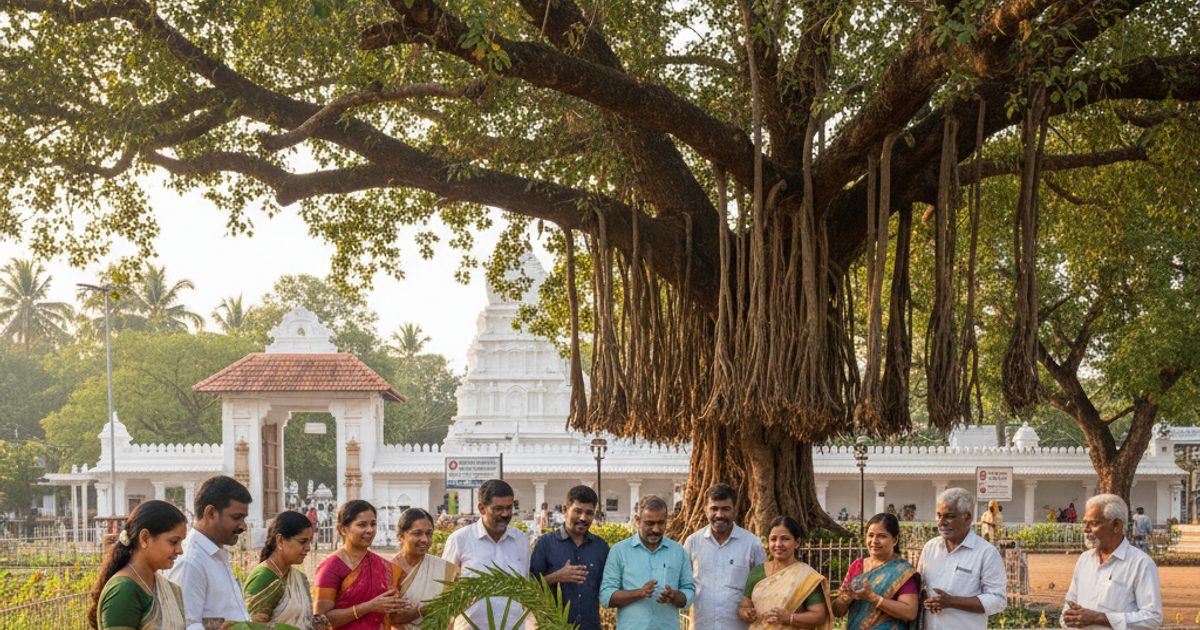
Behind every great city is a web of civic initiatives, community voices, and infrastructure investments that quietly shape daily life — and for Thiruvananthapuram, several such stories are unfolding right now. These developments remind residents that the city's future is being built not just in grand blueprints, but in the everyday fabric of public spaces and community pride.
🌟 Tech Leader Picks Kerala City as India's Best for Quality of Life
Sridhar Vembu, the founder of Zoho, has publicly named a Kerala city as offering the best quality of life in India — a distinction that sets it apart from widely celebrated metros such as Bengaluru and Mumbai. His endorsement highlights factors beyond economic output, pointing instead to liveability, environment, and community character as the true benchmarks of a city's worth. The statement has sparked widespread discussion about what makes a city genuinely desirable to live in, and whether India's smaller, greener urban centres deserve far more recognition than they typically receive. For residents of Thiruvananthapuram and its Kerala neighbours, the praise affirms a sense of pride in the distinctive character of their cities. [3]
🚻 Swachh Bharat Mission Transforms Public Sanitation Across Indian Cities
Under the Swachh Bharat Mission Urban 2.0, urban local bodies across India have been building modern, inclusive public toilet facilities in high-footfall locations such as pilgrimage sites, markets, and transport hubs. In Tirupati, a dedicated Pink Toilet complex near the bus station serves between 12,000 and 15,000 users daily, offering mother-care rooms, sanitary napkin vending machines, and incinerators, while a separate complex near the railway station caters to 20,000 to 25,000 devotees each day with fully accessible facilities for persons with disabilities and children. In Katra, a three-storey toilet complex near Trikuta Bhavan serves around 1,000 users daily and is maintained around the clock by Sulabh International. Meanwhile, Navi Mumbai's Aspirational Toilets at Koparkhairane were constructed using over five metric tons of single-use plastic and other recycled materials, serving 8,000 to 9,000 visitors daily as a model of eco-conscious civic design. [9]
Sources: [3] Moneycontrol.com · [9] PIB