
Banned Sikh film screens in Surrey as BC moves to seize $11M from India-linked gangster
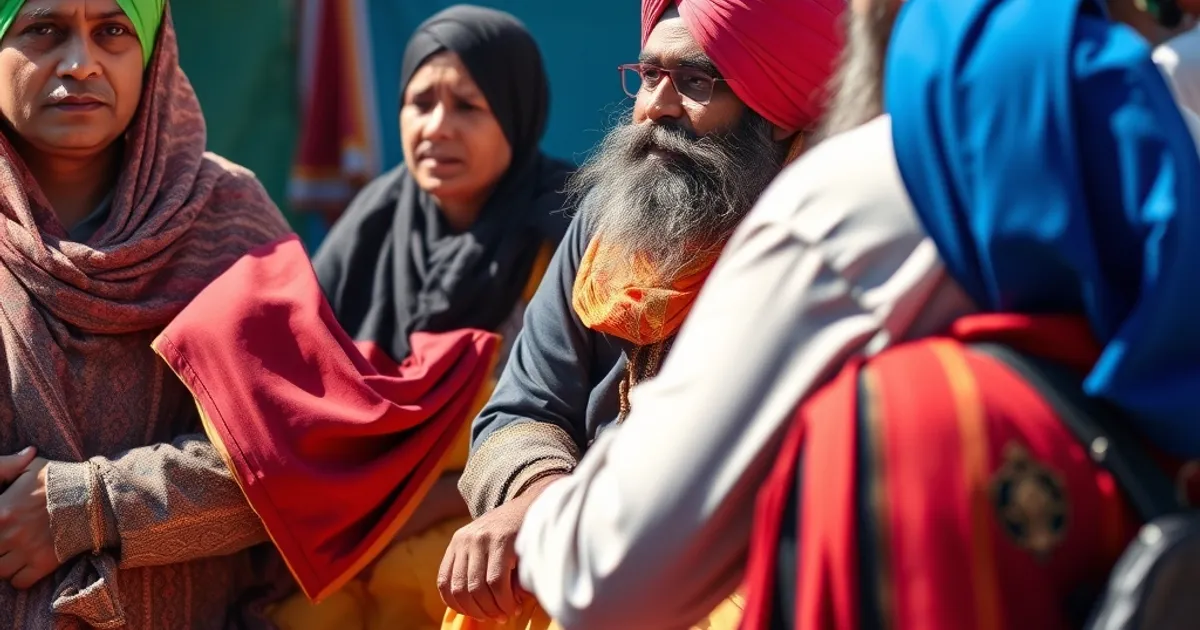
A film on Sikh human rights activist Jaswant Singh Khalra, blocked by Indian authorities for years and pulled from streaming within 48 hours of its launch, is finding audiences at community screenings across Canada, including in Surrey, B.C. In a separate development, British Columbia has moved to seize more than $11 million in Vancouver-area real estate from a Lower Mainland gangster charged in the United States with facilitating an India-based transnational crime syndicate, in a case that invokes American racketeering law on Canadian soil.
🎬 Banned Sikh activist film Satluj draws community screenings in Surrey and across Canada
Satluj, a film starring Punjabi singer and actor Diljit Dosanjh as Sikh human rights activist Jaswant Singh Khalra, is drawing audiences at community screenings across Canada after being blocked from release in India and removed from a streaming platform within days of its launch. India's film censorship board, which must approve all cinematic releases, blocked the film for approximately two to three years, according to Gurpreet Singh, an independent journalist and author based in Delta, B.C. When it was finally released on a streaming platform in July 2026, the film was taken down within 48 hours on government orders citing security concerns. Community screenings were subsequently organized in cities across Canada, with a couple of events planned in Surrey, B.C. Jaswant Singh Khalra was an activist who investigated and publicly raised concerns about extrajudicial killings and enforced disappearances during Punjab's separatist insurgency in the 1980s and 1990s. The film's suppression in India and its grassroots reception in Canada reflect the ongoing significance of this period of history for the Sikh diaspora in British Columbia, home to one of the largest Punjabi communities outside South Asia. The contrast between the film's censorship in India and the interest it has generated among diaspora audiences in Surrey underscores the weight of unresolved questions around events in Punjab that remain deeply felt across generations. [1]
BC invokes US racketeering law to seize $11M from Surrey gangster tied to India-based crime group
British Columbia's civil forfeiture director has moved to seize more than $11 million in Vancouver-area real estate from Garinder Singh Deo, a longtime Lower Mainland gangster charged in the United States with facilitating an India-based transnational crime syndicate. Deo is charged in California with aiding the India-based Bhagwanpuria gang by purchasing bulk quantities of cocaine and heroin to be shipped from Southern California to the eastern United States. The RCMP reported that Deo was arrested in France on 7 July — the day after the Los Angeles announcement of U.S. indictments — and is in custody there awaiting extradition. The province's notice of civil claim, filed 8 July in B.C. Supreme Court, takes the unusual step of citing the United States Racketeer Influenced and Corrupt Organizations (RICO) Act, the Hobbs Act, and the U.S. Controlled Substances Act as the unlawful activity underpinning seizure of Canadian property. The claim also pleads terrorism financing offences under Canada's Criminal Code, alleging Deo was enriching international criminal organizations and terrorist groups. Canada designated the Bishnoi enterprise — the lead syndicate in U.S. Operation Hard Ball — as a terrorist entity in September 2025. Before the indictment was unsealed, Deo transferred Surrey property assets to his sister and brother-in-law for one dollar "and natural love and affection," according to the claim. The case represents a landmark test of how Canadian courts can engage with transnational organized crime rooted in connections to India. [2]
Sources: [1] CBC · [2] The Bureau | Sam Cooper