
Frisco Confronts Rising Anti-Indian Hostility as Community and Congress Push Back
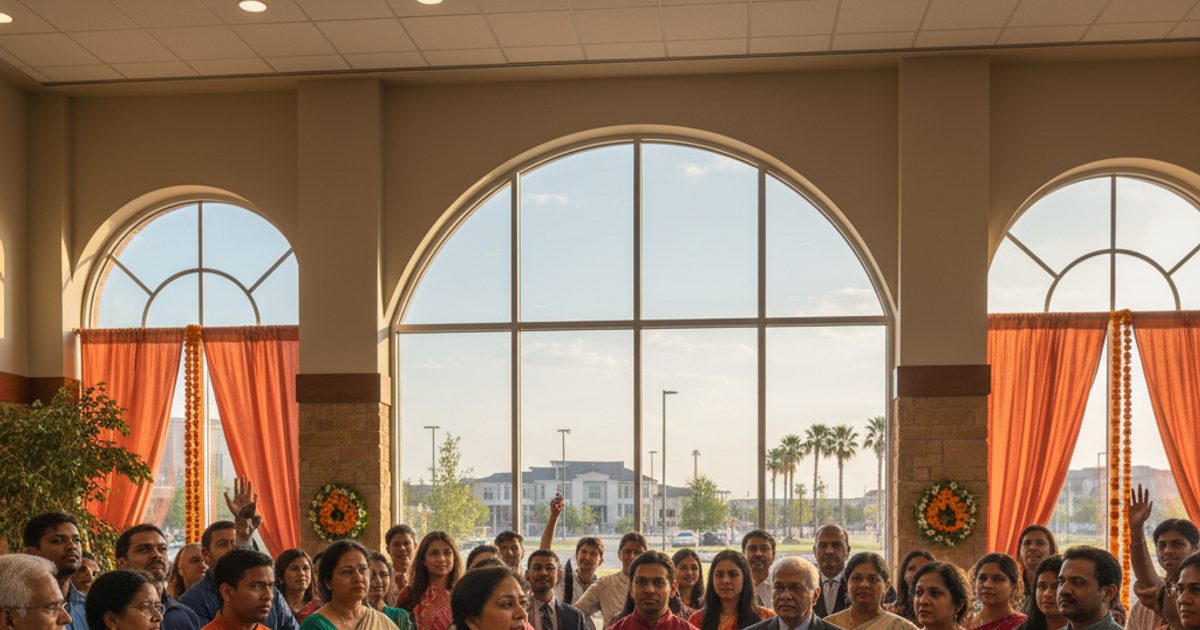
Frisco, Texas has become a national focal point for anti-Indian hostility, with residents reporting harassment, hostile social media campaigns, and a tense atmosphere at city council meetings. Indian American members of Congress have condemned a demonstration outside City Hall, while analysts point to a broader political shift in how Indian Americans are perceived across the country.
🗳️ Anti-Indian Sentiment Surges in Frisco, Fueled by Online Influencers
Anti-Indian sentiment has been rising sharply in Frisco, Texas, with Indian-American residents describing a troubling pattern of harassment, hostile social media posts, and an increasingly unwelcoming atmosphere at city council meetings. Frisco has seen a dramatic increase in its Indian-American population over the past decade, and that demographic shift appears to have made the community a target for those opposed to immigration and cultural change. Some community members attribute the hostility directly to right-wing social media influencers who have been actively stoking fears about Indian immigration and what they characterize as a loss of American cultural identity in rapidly growing suburbs like Frisco. Several Indian-American families have reportedly considered leaving the city altogether due to the hostile climate. Community organizations are working to counter the narrative and support affected residents, but the challenge is significant given the reach of online platforms amplifying anti-Indian messaging to wide audiences. The situation has drawn attention from civil rights groups and local advocates who are calling on city leadership to take a clearer stand against rhetoric targeting a community that has long been central to Frisco's economic and civic growth. [1]
🗳️ Congress Members Condemn Anti-India Demonstration Outside Frisco City Hall
Indian American members of the United States Congress issued a joint statement condemning an anti-India demonstration that took place outside Frisco City Hall in Texas, expressing solidarity with Indian American residents who have faced rising hostility in the city. The demonstration involved protesters displaying signs with anti-Indian slogans, an event that shocked many in the community and drew national attention to the tensions building in the Dallas-Fort Worth suburb. Among the signatories was Representative Raja Krishnamoorthi, along with other lawmakers who have historically championed the interests of the Indian American diaspora. The statement called on local authorities in Frisco to take concrete steps to ensure the safety and dignity of Indian-American residents and to send a clear message that demonstrations targeting an ethnic community with hate-fueled rhetoric will not be tolerated. The lawmakers framed the situation in Frisco as part of a broader national pattern of rising hostility toward immigrant communities and urged elected officials and civic leaders at every level to stand firmly against messaging designed to divide and intimidate. Frisco has emerged as a national focal point for these tensions given the size and visibility of its Indian-American population, and the congressional response signals that the community's concerns have reached the highest levels of government. [2]
🗳️ Indian Americans Navigate Shift From Model Minority to Political Target
The Brown Political Review examines how Indian Americans have undergone a striking shift in public perception, moving from their long-held status as the so-called model minority to becoming increasingly visible political targets in the current United States political climate. The analysis argues that as Indian Americans have grown in economic influence, educational attainment, and political participation, their success has paradoxically triggered backlash from segments of the population who view that progress through the lens of ethnic competition rather than shared civic achievement. Frisco, Texas is cited as a pointed case study for this national trend, where the concentration of Indian-American residents in a prosperous suburb has made the community a magnet for organized hostility. The piece explores how Indian Americans are navigating an unusually complex political landscape, caught between ethno-nationalist currents on one side and the shifting expectations of progressive coalitions on the other. Community leaders across the country are responding to this new reality with increased investment in voter registration drives, civic engagement campaigns, and coalition-building efforts with other communities of color. The Brown Political Review frames the moment as a test of whether Indian Americans can translate their considerable resources and educational standing into durable political power capable of withstanding organized opposition in places like Frisco. [4]
Sources: [1] Texas Standard · [2] House.gov · [4] Brown Political Review