
Melbourne's Desi Community by the Numbers: Language, Population and the Classroom
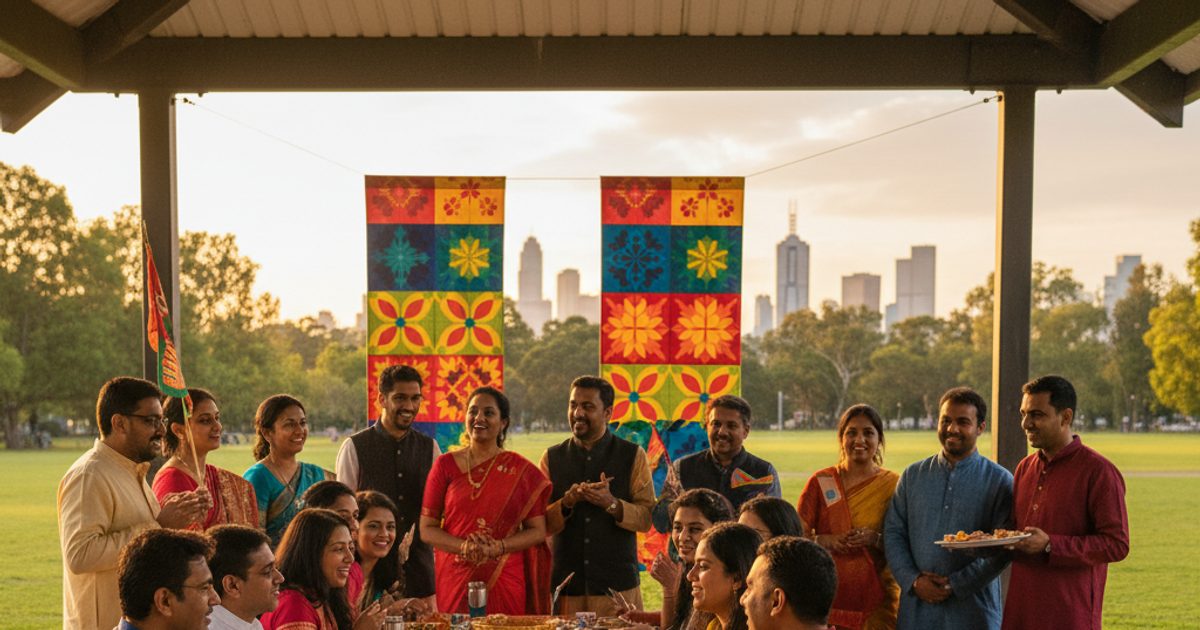
Melbourne is home to one of Australia's largest and fastest-growing South Asian communities, and recent data and policy developments are painting a vivid picture of just how much the Desi presence has reshaped the nation's cultural and linguistic landscape.
🗣️ Punjabi Tops the Language Chart for India-Born Australians
According to SBS reporting, Punjabi has emerged as the most widely spoken language among people born in India who are now living in Australia, a finding that underscores the significant representation of the Punjabi-speaking community within the broader Indian diaspora. This linguistic dominance reflects the large numbers of migrants from Punjab who have settled across Australian cities, including Melbourne, over recent decades. The data highlights how language remains a vital thread of cultural identity for immigrant communities, with Punjabi speakers maintaining strong connections to their heritage while building new lives in Australia. For Melbourne's Punjabi community in particular, this recognition is a meaningful acknowledgement of their collective presence. [2]
📊 Census Confirms Exponential Growth of India-Born Population and Languages
Australian Census data reported by SBS reveals that the India-born population and the range of Indian languages spoken across the country have grown exponentially in recent years. The figures point to a dramatic transformation in Australia's demographic makeup, with Indian communities now representing one of the largest migrant groups in the nation. Alongside population growth, the number of people speaking Indian languages at home has also surged, reflecting strong cultural continuity across generations. For cities like Melbourne, where Indian communities are heavily concentrated, these trends translate into a richer, more linguistically diverse urban fabric. [3]
🏫 Eight Indian Languages to Be Taught in Australian High Schools
Under a new Australian government initiative aimed at boosting language fluency, eight Indian languages are among 20 Asian languages set to be introduced into high school curricula nationwide. The policy represents a significant formal recognition of the linguistic diversity that communities from the Indian subcontinent have brought to Australia, and it carries particular resonance for Melbourne families who have long sought heritage language education for their children. The inclusion of Indian languages in mainstream schooling is expected to benefit both background speakers wishing to formalise their skills and non-heritage students seeking to engage with Asia's cultural and economic landscape. For Melbourne's Desi community, the move is seen as a landmark step toward ensuring mother tongues are preserved and celebrated within the Australian education system. [4]
Sources: [2] SBS Australia · [3] SBS Australia · [4] The Australia Today