
Desi Things to Do in Mumbai (July 2026)
TL;DR
- August in Mumbai means monsoon energy, a packed festival calendar, and a city operating at a frequency most visitors miss 🌧️
- Sankashti Chaturthi on August 2 opens the month with Ganesh devotion and fasting rituals across Maharashtrian households 🙏
- Nag Panchami 2026 on August 17 is among the monsoon season's most visually distinctive observances, with serpent worship at temples citywide 🐍
- Amavasya on August 12 draws devotees to water bodies and temples for ancestral remembrance rituals 🕯️
- Monsoon is also peak season for Mumbai's street food — vada pav, bhajias, and roasted bhutta are at their best when it rains 🌽
August in Mumbai: A City in Its Element
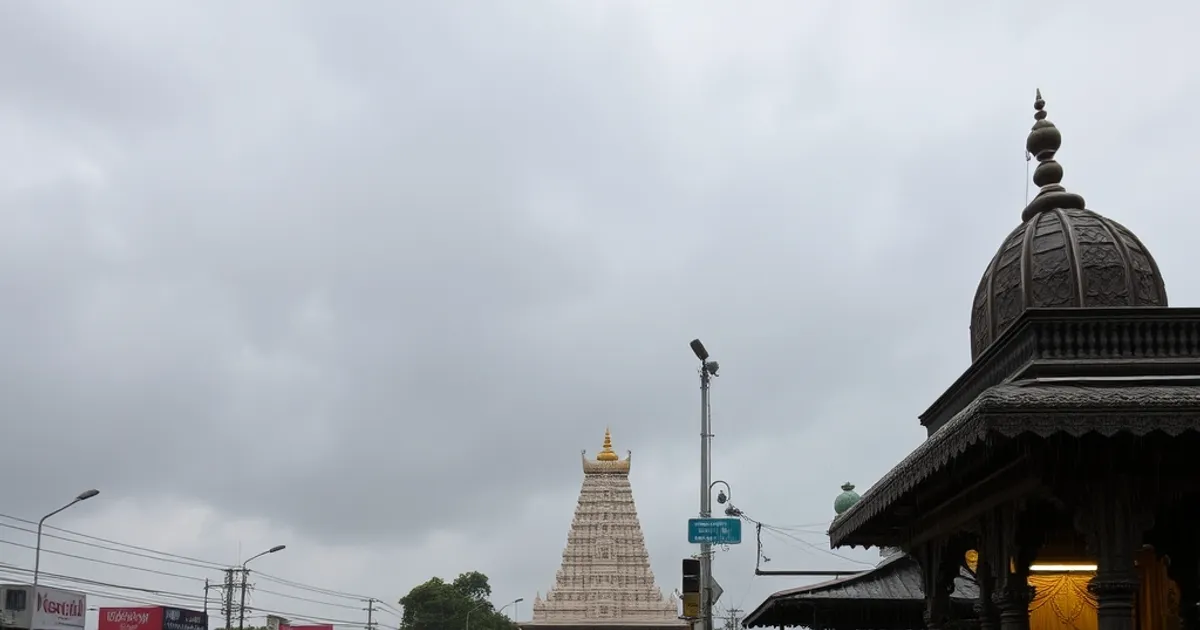
Mumbai in August is not a city waiting for the weather to improve. The monsoon arrived weeks ago; the city has fully absorbed it. What you get in August is not inconvenience — it is a particular kind of urban energy that only exists in cities where the monsoon has been folded into daily and ceremonial life over centuries.
The calendar fills up. The Maharashtrian community, which remains the cultural bedrock of Mumbai despite decades of migration from every corner of the country, carries a rich cycle of observances through the monsoon months. The Hindu lunar calendar places several significant festivals in August, and in Mumbai these are not private affairs. They spill into streets, into neighbourhoods, and into the city's public life in ways that are genuinely worth experiencing.
The mistake visitors make in August is treating the weather as something to wait out. The right approach is to engage with what this month specifically offers: festivals with deep roots in city life, a food culture that shifts with the rain, and older parts of the city that reveal themselves best when you have reason to slow down.
The Festival Calendar: What to Observe This Month
Sankashti Chaturthi falls on August 2. This monthly lunar observance is dedicated to Ganesh and falls on the fourth day of the dark fortnight — Krishna Chaturthi. The fast is observed by many Maharashtrian households and is broken only after the moon rises and the evening puja is complete. In Mumbai, the observance is visible: Ganesh temples across the city, particularly in areas with dense Maharashtrian populations such as Dadar, Girgaon, and Parel, have elevated activity in the evening hours. The atmosphere is devotional and unhurried. For visitors, August 2 is a good opportunity to observe neighbourhood temple life at a pace that larger festivals don't allow.
The first Ekadashi of August falls on August 9. Ekadashi is a fortnightly fast dedicated to Vishnu and is among the most widely observed monthly fasts in Maharashtra. In Mumbai, the day creates a visible shift — vegetarian food stalls run stronger and temple attendance increases through the day.
Amavasya on August 12 is the new moon day, traditionally observed in many Hindu traditions as a day for ancestral remembrance known as pitru tarpan. Mumbai's coastal geography makes Amavasya ritually significant. The city's tidal ghats and beaches — including Dadar Chowpatty and Shivaji Park beach — see heightened activity as families conduct tarpan rituals near water. Banganga Tank in Walkeshwar, one of Mumbai's oldest sacred water bodies dating back centuries, draws devotees for these observances. Amavasya is a day of quiet remembrance rather than public celebration, but for anyone interested in the living ritual culture of a Mumbai that exists outside the film industry and financial district, it is worth observing.
Nag Panchami 2026 falls on August 17 and is among the more visually striking observances of the monsoon season. This festival is dedicated to serpent deities — naga — and is observed on the fifth day of the bright half of Shravan. In Maharashtra, Nag Panchami involves offering milk, turmeric, and flowers to snake images at temples and sometimes to live snakes in traditional village contexts. Temples with naga imagery have puja activity throughout the day, and in older Mumbai neighbourhoods, local temples organize specific observances with decorated snake images and flower arrangements.
Insider Tip: Nag Panchami is one of the more photographically interesting days of the Mumbai monsoon calendar. Neighbourhood temples in Lalbaug, Parel, and the older lanes of South Mumbai set up elaborately decorated snake images with fresh flower arrangements. Early morning — before the peak crowd arrives — is when the ritual arrangements are most carefully composed.
The second Ekadashi of August falls on August 23. Like the August 9 observance, it marks a fortnightly fast and heightened temple activity. The two Ekadashi dates together create a regular rhythm of religious observance that structures the month for practising households.
Monsoon Food: What August Tastes Like
Rain changes Mumbai's food culture in specific, consistent ways. The most significant shift is toward fried snacks and warming foods — not because the city has cooled, but because grey skies and steady rain create an appetite for exactly those things.
Vada pav is available year-round, but the monsoon adds context. A properly fried vada pav eaten from a street stall near a train station while the rain falls outside the canvas cover is a different experience from the same food on a bright October afternoon. Bhajia vendors — frying seasonal vegetables in chickpea batter — do their best business during the monsoon months and set up wherever there's shelter and foot traffic.
Corn season overlaps with the monsoon: roasted bhutta sold at Marine Drive, Juhu, and other seafront locations is one of August's persistent pleasures. The bhutta wallas roast over coal fires and apply lime and spice to order. On a cloudy monsoon evening with the sea visible through the mist, this is one of the genuinely pleasant experiences that Mumbai produces without effort.
Mumbai's older Irani-style cafes — scattered through Marine Lines, the Fort area, and parts of South Mumbai — are particularly worth visiting in August. The monsoon creates the right context for bun maska, kheema pav, and chai at a window seat with rain coming down outside. These cafes have survived for decades by understanding that certain simple things, done reliably, are worth more than novelty.
Beyond the Festivals: Mumbai's Cultural Texture
The city's cultural institutions continue through August. The National Centre for the Performing Arts (NCPA) at Nariman Point runs monsoon season programming that typically includes classical music, theatre, and film. The Chhatrapati Shivaji Maharaj Vastu Sangrahalaya in Fort — one of the city's principal museums — is climate-controlled and a worthwhile destination on a heavy rain day.
The older parts of South Mumbai, particularly Kala Ghoda, Bhuleshwar, Chor Bazaar, and the lanes around Zaveri Bazaar, reward exploration at a monsoon pace: slowly, using covered arcades and building overhangs when the rain picks up. These areas were designed for foot traffic and still function that way. They reveal themselves to walkers who have no fixed destination and time to drift.
FAQ
Q: Is August a reasonable time to visit Mumbai despite the monsoon? A: Yes. August is full monsoon season, which means heavy rain events, occasional flooding in low-lying areas, and some disruption to local trains. The practical advice is to check weather forecasts, avoid flood-prone areas during heavy rain alerts, and use elevated rail lines where possible. The city functions through the monsoon. Caution, not avoidance, is the appropriate posture.
Q: What should I know about observing Nag Panchami 2026? A: Nag Panchami is observed on August 17. Temple-based rituals are generally open to respectful observers. Follow any guidelines posted at temples and avoid photographing devotees without awareness of context.
Q: Is Ganesh Chaturthi in August 2026? A: Ganesh Chaturthi — the city's largest and most celebrated festival — can fall in late August or early September depending on the lunar calendar. If it falls in the final week of August, the energy of the city in that period will be significantly elevated. Check specific dates closer to the time.
Q: What are the best areas for monsoon food culture? A: Dadar, Girgaon, and the Fort area have dense street food activity. Marine Drive is the classic monsoon promenade. For older-style cafes, Marine Lines and the Fort neighbourhood have the best concentration.
Q: Is Amavasya on August 12 a public holiday? A: Amavasya is a religious observance, not a gazetted public holiday. Businesses and public transport operate normally, though some temple-adjacent shops and family-run establishments may adjust hours.
Bottom Line 🌧️
Mumbai in August is a city worth visiting rather than avoiding. The festivals — Sankashti Chaturthi on August 2, Amavasya on August 12, Nag Panchami 2026 on August 17, and the Ekadashi observances on August 9 and August 23 — give the month a ritual rhythm that connects daily life to something older and larger. The food is at its monsoon best. The cultural institutions and older neighbourhoods reward slow, attentive exploration. August in Mumbai is not a compromise; it is a specific, irreplaceable version of a city that most visitors never think to experience.