
Mumbai's Food Scene: Hiramal Indian Classical Restaurant Nagpur
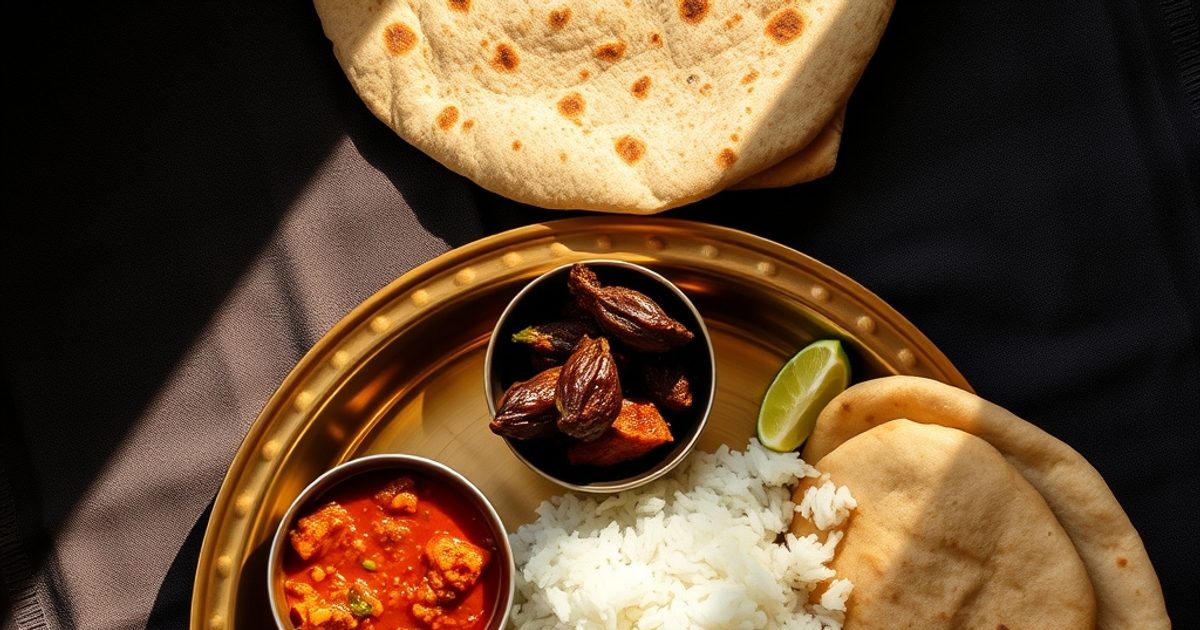
Mumbai's Food Scene: Hiramal Indian Classical Restaurant Nagpur
Mumbai has always been a city that eats seriously — not just for sustenance, but as a way of staying connected to every corner of the subcontinent. When a restaurant earns a reputation that travels across state lines, from Nagpur all the way into Mumbai dinner-table conversations, it says something real about the hunger here for food rooted in tradition rather than trend. Whether you're a Vidarbha native missing home or a Mumbaikar curious about classical regional cooking, understanding what makes a place like Hiramal in Nagpur matter to our food culture is worth your time.
TL;DR
- 🍽️ Classical regional cooking from Nagpur has genuine fans in Mumbai — knowing why helps you find similar depth closer to home.
- 🗺️ Mumbai already has brilliant regional restaurants spread across its neighbourhoods, from Andhra kitchens in Kandivali to Kerala spots in Powai.
- 🕐 Hours and booking details matter — always check before you travel, especially for lunch-only spots.
- 💡 The best classical cooking in the city rarely shouts about itself — it lives in family-run spots on side streets.
- 🌶️ Vidarbha-style food is bold, sesame-forward and distinct — if you haven't tried it, you're missing a whole chapter.
What "Classical" Really Means on a Mumbai Menu
The word "classical" gets thrown around on menus with cheerful abandon, but it actually means something specific when applied to regional cooking. A classical restaurant commits to the cooking methods, spice ratios and seasonal ingredients of a particular tradition — it doesn't modernise for approval or simplify for a crowd that might be unfamiliar. Nagpur's Hiramal has built its reputation on exactly this kind of fidelity: Vidarbha cuisine prepared the way it has been prepared for generations, with the sesame seeds, the dried coconut, the peanut gravies and the fiery green chillies that define the region.
For Mumbai, a city that absorbs and reflects every regional food culture, this matters because it sets a standard. When we talk about classical cooking, we're talking about restaurants that respect the original grammar of a cuisine rather than translating it into something more broadly palatable.
Vidarbha on a Plate: What Makes Nagpur's Food Distinct
Most people outside Maharashtra associate Nagpur with oranges, but those who've eaten there know that the city's food culture is one of the most underrated in the country. Vidarbha cuisine sits at a geographical and cultural crossroads — it carries the heat of Andhra to its south, the sesame obsession of central India and the earthy groundnut base of the Deccan plateau.
Signature dishes tend to feature a dry or semi-dry spice paste rather than a sauce-heavy gravy. Saoji mutton curry is perhaps the most famous — an intensely spiced preparation using dried red chillies and a specific blend of masalas that is nothing like a typical Mumbai-style curry. Thalipeeth, the multigrain flatbread, and different preparations of brinjal and green chillies round out a cuisine that is robust, unfussy and deeply satisfying. If you've never eaten Vidarbha food, start with those flavours in mind.
Finding That Same Depth in Mumbai
Mumbai may not have a dedicated Vidarbha classical restaurant on every corner, but the spirit of serious regional cooking is very much alive here if you know where to look. A few places stand out for the sincerity with which they approach their own regional traditions.
Aavakay – The Andhra Kitchen in Thakur Village, Kandivali East, is exactly the kind of place that a classical-food lover respects. It focuses on Andhra cooking — a cuisine that, like Vidarbha food, is uncompromising about heat and spice complexity. They're open Monday to Sunday from 12:00 PM to 3:30 PM, strictly a lunch operation, which already signals that the kitchen is cooking fresh and not trying to feed every shift of the city. You can find them at Shop no.1, Gayatri Satsang Building, behind Vishnu Shivam Mall, and reach them at +91 89575 75708.
Just Kerala Restaurant and Bar in Chakala, Andheri East, brings the same kind of regional rigour to Malabar and Kerala cooking. A cuisine with its own classical grammar — coconut oil, curry leaves, black pepper, seafood cooked simply — deserves a space where those choices aren't apologised for. They're open from 10:00 AM to 11:45 PM and their full menu is at justkerala.co.in.
MTK – Mumbai Travancore Kitchen in Powai is another spot that approaches South Kerala cooking with real seriousness. Located at Shop No.6, Tulsi Kunj, Mukteshwar Ashram Road, IIT Market, they open daily from 8:00 AM right through to midnight. You can reach them at +91 72087 95250 or email mumbaitravancorekitchen@gmail.com.
Oh! Calcutta on Tulsiwadi Hatutma Sitaram Ghadi Gaonkar Street brings Bengali classical cooking into the picture — a cuisine with its own centuries-deep tradition of mustard, hilsa fish and subtle spicing that is as far from generic as you can get. Reach them at +912223539114.
The Side Street Rule: Where Classical Cooking Hides
One pattern you notice when tracking down genuinely classical cooking in Mumbai is that it almost never lives in gleaming new premises. Achija on Deshpande Road is a small, no-fuss kitchen that serves the kind of food that doesn't need to explain itself. Ram Ashray South Indian on Bhandarkar Road has been feeding the city its South Indian classics for decades — a Udupi-style breakfast or a proper filter coffee here is the kind of thing you recommend to people who ask where the real food is.
B Bhagat Tarachand in Pydhonie is another institution that belongs in this category — a restaurant that has been doing what it does long enough that it has become part of Mumbai's food memory. Their website is bhagattarachand.com and they can be reached at +91-22-23416655.
These places share a common trait: they're not performing authenticity, they're just cooking.
💡 Desi Insider Tip: If a restaurant's menu hasn't changed much in twenty years and the regulars all seem to know the staff by name, you're probably sitting somewhere that understands classical cooking better than any food award could measure. Eat there before it gets discovered and turns into a destination.
Planning Your Regional Eating in Mumbai
A few practical points that make the difference between a great meal and a wasted auto ride:
Always check lunch hours before heading to a regional specialist — many of the best places run a serious lunch service and a much lighter dinner, or close between shifts. Aavakay's 12:00 PM to 3:30 PM window is a good example of a kitchen that puts everything into the afternoon meal.
For spots like Shivali Garden in Mira Road's Gokul Village, Shanti Park area (reachable at +912228126044), or Sarvi Restaurant on Dimtimkar Road, calling ahead on weekends is simply good sense. A 30-second call saves a long journey.
If you want a more polished setting alongside classical cooking, Taftoon (bookings@taftoon.in, open Monday to Thursday from 12 PM to 1 AM) or The Culture House on P Ramabai Marg (+91 22 2361 4477) offer the combination of atmosphere and regional depth that works well for a group dinner.
Why This Conversation Matters for Mumbai Eaters
Talking about Hiramal in Nagpur in the context of Mumbai's food scene isn't a detour — it's a reminder that the best regional cooking anywhere is worth understanding on its own terms. Mumbai's food culture has always had the generosity to take other regions seriously, and that generosity is what keeps the city's eating so alive.
The restaurants here that commit to a regional tradition — whether it's Andhra, Kerala, Bengali, Maharashtrian or any other — are doing something worth supporting. They're keeping a cooking language legible, which means that when someone arrives in Mumbai from Nagpur, Kolkata, Thiruvananthapuram or Vijayawada, there's a plate of food waiting that actually sounds like home.
FAQ
Q: Is there a Vidarbha or Nagpuri restaurant in Mumbai? A: A dedicated classical Vidarbha restaurant in Mumbai is genuinely hard to find. Your best bet is to look for Maharashtrian restaurants that include Vidarbha-specific dishes on their menu, or to connect with community groups who may know of home-kitchen operations or pop-ups.
Q: What should I order if I want to try Nagpur-style food for the first time? A: Start with Saoji curry if you can find it — it's the most distinctive preparation of the region. Also look for Thalipeeth and any brinjal dish made with a dry sesame-peanut masala base.
Q: Are these regional restaurants good for group bookings? A: Places like Taftoon (bookings@taftoon.in) and Oh! Calcutta (+912223539114) are well-equipped for groups. Smaller spots like Aavakay or Ram Ashray South Indian are better for smaller parties and are genuinely more enjoyable when you can eat without rush.
Q: How do I find opening hours before visiting a Mumbai restaurant? A: Always call ahead or check the restaurant's verified website. Hours listed on third-party apps are often outdated. For places without a website, a quick call is the most reliable option.
Q: What is the difference between classical and fusion cooking at a restaurant? A: Classical cooking follows the established techniques, ingredients and flavour profiles of a regional tradition. Fusion cooking deliberately combines elements from different cuisines. Neither is better — but if you want to understand a cuisine on its own terms, classical is where you start.
The Bottom Line
Hiramal in Nagpur represents something that food lovers in Mumbai instinctively respect: a commitment to cooking a regional cuisine without compromise. Our city already has pockets of that same commitment — in Andhra kitchens in Kandivali, Kerala spots in Andheri and Powai, Bengali classics near the seafront and Maharashtrian institutions that have been feeding the city for generations. The work is to find them, support them and eat there regularly enough that they stick around.
For more recommendations, regional food guides and the conversations that Mumbai's eating community is having right now, keep exploring on Desi.Net — this is exactly what we're here for.