
What's Happening in Mumbai's Community
TL;DR
- Mumbai's late-July to mid-August calendar packs six major sacred observances into three weeks, each reshaping the city's daily rhythm 🙏
- Guru Purnima 2026 on July 29 opens the season, followed by Sankashti Chaturthi, Ekadashi, Amavasya, and Nag Panchami 2026 🌕
- These observances affect market hours, restaurant menus, and neighborhood energy in ways worth knowing before you plan anything 🏙️
- The stretch from late July through mid-August is among the most spiritually active periods on Mumbai's annual community calendar
- Planning around these dates rather than against them makes for a far more textured experience of the city during monsoon season
Mumbai in Monsoon Season: A Community Calendar in Full Motion
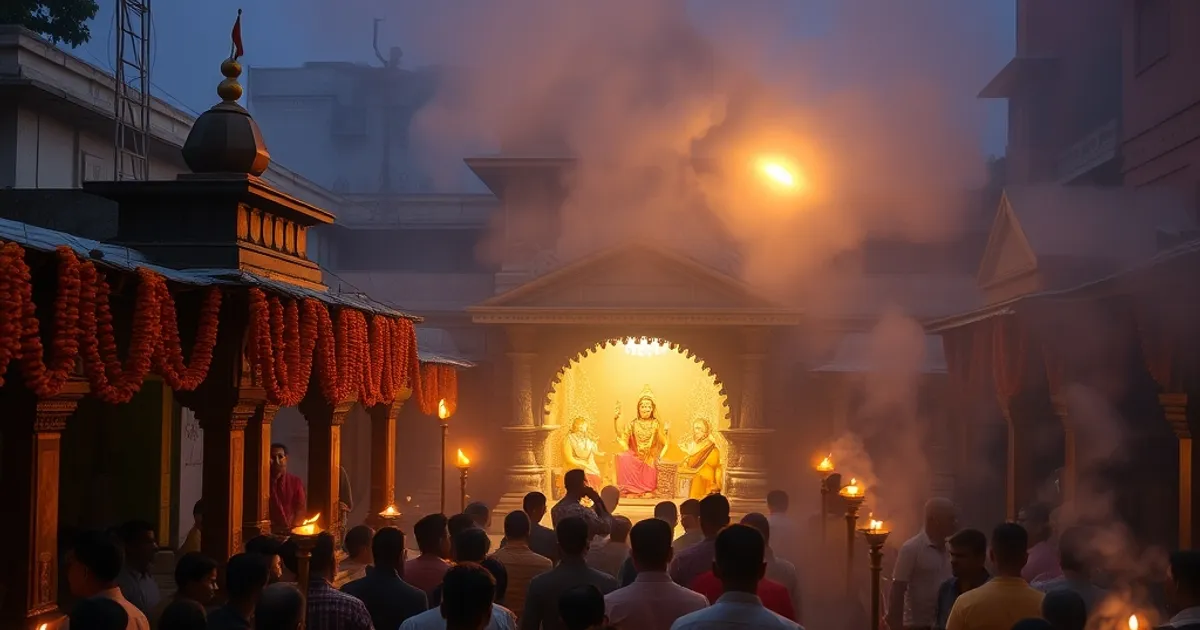
The monsoon brings more than rain to Mumbai. It brings the city's most concentrated stretch of sacred observances — a calendar that runs from late July through mid-August with barely a pause between events. For residents and visitors alike, this season is as much about temple visits, community gatherings, and dietary practices as it is about umbrellas and delayed trains.
The season opens with Guru Purnima 2026 on July 29, the full moon day dedicated to honoring teachers, mentors, and spiritual guides. On this date, students and devotees across Mumbai seek blessings from their gurus — whether academic, spiritual, or artistic. Ashrams, yoga centers, and community organizations hold special programs, and the city's bhajan and kirtan circuit runs at full volume. The same date marks Purnima, the monthly full moon observance that carries its own significance for fasting and prayer, independent of the Guru Purnima celebrations. The two overlap this year in a way that concentrates the day's energy considerably.
The Sacred Rhythm of August 🌙
Five days into August, Sankashti Chaturthi falls on August 2 — one of the most widely observed monthly fasts in Maharashtra. Sankashti is dedicated to Ganesha and draws enormous participation from Mumbai's Maharashtrian community, particularly in neighborhoods like Dadar, Girgaon, and Lalbaug. Devotees fast through the day and break their fast after moonrise, timing the evening meal to the lunar calendar. This rhythm — of fasting, community prayer, and a shared late-night meal after moonrise — gives Sankashti a very specific neighborhood energy. The streets around major Ganesha temples fill with people waiting for the moon to appear, watching the sky collectively, then moving to their meals.
Ekadashi follows on August 9. The eleventh day of the lunar fortnight is observed twice monthly, and each occurrence brings its own community. Vaishnavites, devotees of Vitthal, and ISKCON centers across the city mark the day with kirtans, temple visits, and fasting from grains. In neighborhoods with large Gujarati and North Indian populations — Ghatkopar, Mulund, Kandivali — Ekadashi is a quiet but pervasive presence that shapes who eats what and when.
Amavasya on August 12 marks the new moon, a day for ancestral remembrance and charity. Many residents visit rivers or the sea for ritual bathing, which in Mumbai typically means the beaches take on an early-morning ceremonial character before the day opens into its usual pace. Families light diyas in their homes, and local temples often see unusual midweek footfall as the workday schedules bend around observance.
Nag Panchami 2026 on August 17 closes this stretch of observances with one of Maharashtra's most visually distinctive celebrations. Snake deities are worshipped across the state, with offerings of milk and flowers made at homes and temples. In Mumbai's older residential neighborhoods and in areas still connected to agrarian rhythms, Nag Panchami generates real street-level activity — clay snake idols, flower garlands, and the unmistakable smell of milk offered at thresholds and temple courtyards.
How These Observances Shape Daily Life in the City
These are not abstract calendar entries. Each one reshapes Mumbai in practical, visible ways that anyone living or visiting here should understand.
Restaurant and market hours shift around Ekadashi and Amavasya. Many vegetarian establishments run modified menus or close early on major fasting days. Flower markets near Dadar and Crawford Market operate at their busiest in the early mornings before significant observances, drawing households, temple committees, and vendor networks that are otherwise invisible to the city's daytime crowd.
Local sweets shops see sharp spikes in demand for modak — the Ganesha-associated sweet — ahead of Sankashti Chaturthi, with queues forming at established shops the evening before. Bakeries and mithai shops in Dadar, Matunga, and Borivali see some of their highest footfall of the monsoon season in the 48 hours around this fast.
Public transport on full moon nights carries the specific cargo of devotees returning from late-evening temple gatherings. On Guru Purnima, suburban trains running toward Vasai, Virar, and Panvel fill with groups in fresh white or saffron attire well past 10 pm — a pattern that makes the trains feel less like infrastructure and more like pilgrimage corridors.
For anyone navigating the city during this period, building flexibility into daily schedules around these dates is practical rather than merely respectful. Traffic patterns shift. Shops close earlier. Lanes around major temples fill with pedestrian crowds that spill onto arterial roads. And the city's collective energy is noticeably different from the workday norm.
Insider Tip 💡
If you want to experience Sankashti Chaturthi from within rather than from a distance, time your evening in Lalbaug or Dadar to coincide with moonrise. The atmosphere just before and after the moon appears — the collective sound of prayers, the smell of incense, the visible shift as people break their fasts and the street energy changes — is one of the more distinctive community experiences this city offers during the monsoon season. No formal event, no ticket, no itinerary required.
FAQ
Do these observances affect business hours across the city? Not uniformly, but visibly. Vegetarian-only restaurants may modify menus on Ekadashi and Amavasya. Local shops in predominantly Hindu neighborhoods may close early or observe partial shutdowns. Larger malls and commercial districts generally operate on normal schedules.
Is Mumbai's monsoon season a good time to visit? The monsoon runs roughly June through September. Community life is rich and active during this period. Infrastructure stress is real — flooding on low-lying roads and disruption to suburban rail during heavy rainfall are known factors. Visitors who plan around these realities tend to have a far better experience than those who don't.
What is Nag Panchami and how widely is it observed in Mumbai? Nag Panchami is a pan-Indian festival observed with particular intensity in Maharashtra. Celebrations are largely home-based and temple-based, though some older neighborhoods set up public displays. The 2026 date falls on August 17.
What should someone unfamiliar with fasting practices know before making plans? On major fasting days like Ekadashi and Amavasya, many residents eat only one meal or abstain from grains entirely. Social invitations may be declined or adjusted accordingly. For visitors sharing meals with Mumbai residents, asking about observance before scheduling elaborate lunches or dinners on these dates is simple courtesy.
Does Guru Purnima affect commercial areas of the city? Guru Purnima on July 29 is not a public holiday, so commercial districts operate. But ashram areas, spiritual centers, and roads leading to prominent temples see significant additional footfall through the day and evening. Expect some traffic delays near these zones, particularly after sunset.
Bottom Line
Mumbai's late-July to mid-August window is one of the most community-engaged periods in the city's annual cycle. Guru Purnima, Sankashti Chaturthi, Amavasya, Nag Panchami — these are not background events. They are the foreground of what the city is doing with itself. Understanding this calendar, even loosely, changes how Mumbai reads. The monsoon is the backdrop; the community calendar is the actual story.