
Desi Culture & Faith Highlights in Singapore
TL;DR
- 🕌 Singapore's Indian diaspora has built one of Southeast Asia's most complete networks of Hindu temples
- 🪔 Sri Mariamman Temple on South Bridge Road is one of Singapore's oldest and most recognized Indian heritage sites
- 🎉 Thaipusam, Deepavali, and Vaisakhi are publicly observed festivals with deep community roots across the island
- 🏛 Silat Road Sikh Temple anchors Singapore's Sikh diaspora as a place of worship and communal gathering
- 🌺 From Serangoon Road to Potong Pasir, Desi sacred spaces span every part of the city-state
Singapore's Indian Community and Its Temples
Singapore's Indian community has maintained a visible and deeply rooted presence in the city-state for more than two centuries. Brought initially as traders, laborers, soldiers, and administrators during the British colonial era, Tamil, Malayali, Punjabi, Bengali, and Telugu speakers all established themselves and built the cultural and religious infrastructure that their descendants continue to use today. That infrastructure — the temples, gurdwaras, festival calendars, and community associations — remains active and central to Desi life in Singapore.
The temple is the most visible marker of that presence. Hindu temples, Sikh gurdwaras, and Indian-community mosques dot the Singapore map from the northern suburbs to the southern shoreline. Each institution carries its own history, architectural identity, and festival rhythm. Taken together, they form a geography of Desi faith and culture that spans the entire island.
The Temple Landscape: From Little India to Chinatown
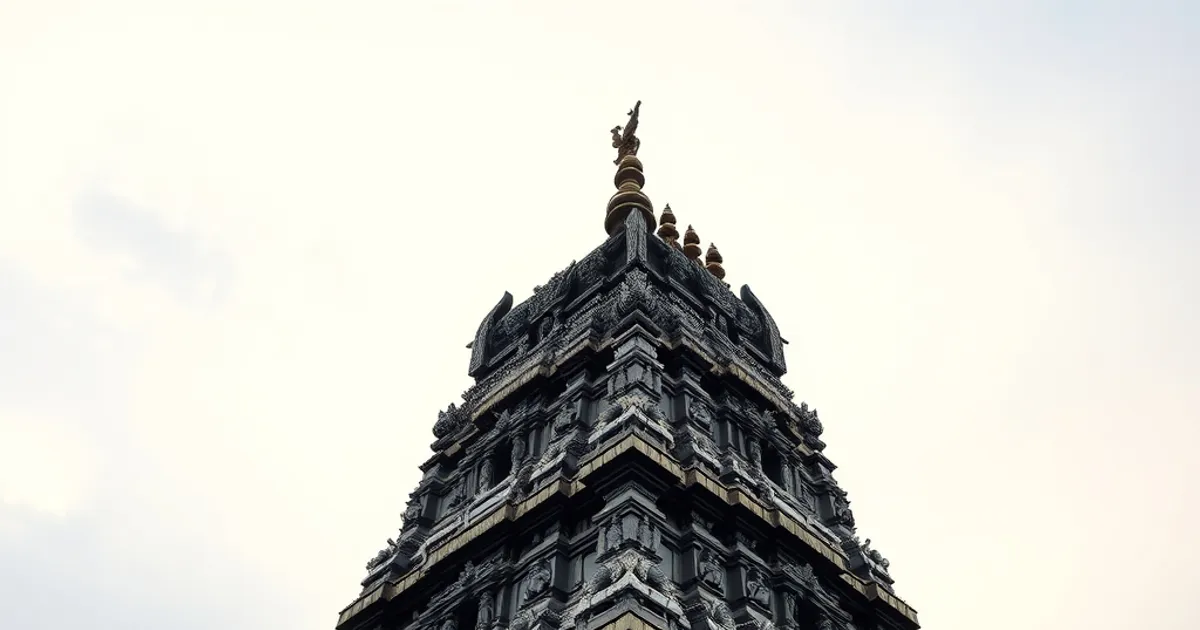
The most internationally recognized address is Sri Mariamman Temple at 244 South Bridge Road in Chinatown. Built in the Dravidian style with its distinctive gopuram tower, it is widely regarded as one of Singapore's oldest Hindu temples and serves as a significant landmark on South Bridge Road. Dedicated to the goddess Mariamman, it draws worshippers during major festivals and daily devotees alike. Its location in Chinatown — rather than Little India — is itself a reminder that the Indian community has always been woven through multiple neighborhoods of Singapore, never confined to a single enclave.
Sri Thendayuthapani Temple at 15 Tank Road is closely associated with the Tamil Hindu community's worship of Murugan. This temple draws particularly large crowds during Thaipusam, observed in the Tamil month of Thai. Thaipusam is one of the most striking public expressions of Hindu devotion in Singapore — devotees undertake acts of faith including kavadi-bearing as expressions of gratitude and spiritual commitment. The procession between temples is one of the most widely observed cultural events on the Singapore calendar.
Sri Vadapathira Kaliamman Temple at 555 Serangoon Road sits deep along Little India's main artery, dedicated to the goddess Kaliamman. Serangoon Road is the spine of Singapore's Indian cultural life, and this temple sits directly within that living corridor of shops, eateries, flower vendors, and textile merchants that defines the neighborhood's energy year-round, not just during festivals.
Beyond Serangoon Road: Community Anchors Across the Island
The temple network extends well beyond the Little India precinct. Sri Layan Sithi Vinayagar Temple at 73 Keong Saik Road serves Chinatown's historic Indian presence — confirming that Indian community institutions were never exclusively a Little India phenomenon. Sri Sivadurga Temple at 8 Potong Pasir Avenue 2 anchors the Potong Pasir area in the northeast, while Sri Muneeswaran Temple at 3 Commonwealth Drive serves devotional life in the Queenstown district on the west side of the island.
Sri Manmatha Karuneshvarar (Sivan) Temple at 226 Kallang Road is a Shaivite temple dedicated to Siva, one of the quieter but consistently active sacred spaces in the Kallang area. Each of these institutions functions as more than a place of prayer. They organize festival committees, manage ceremony and wedding bookings, run cultural programs for younger generations, and provide social infrastructure that supports the Desi community across their respective neighborhoods.
Insider Tip: If you plan to visit Sri Mariamman Temple or Sri Vadapathira Kaliamman Temple during Deepavali season, arrive early in the morning. The combination of festival crowds and the narrow lanes of South Bridge Road and Serangoon Road makes midday visits intensely busy. Many temples also welcome visitors on ordinary days outside festival periods, when the architecture and the atmosphere can be appreciated at a quieter pace.
The Sikh Community and Silat Road Sikh Temple
Singapore's Indian community is not homogenously Hindu. The Sikh community has maintained a distinguished presence since the British colonial period, when many Sikhs served in the military and police force. Silat Road Sikh Temple at 8 Jalan Bukit Merah is one of the significant gurdwaras serving Singapore's Sikh diaspora. Like all gurdwaras, it maintains the tradition of langar — the communal kitchen where food is served without charge to all who enter, regardless of background or faith. This practice makes Sikh places of worship among the most openly accessible to the general public.
Vaisakhi, marking the Sikh New Year and the founding of the Khalsa in 1699, is observed by Singapore's Sikh community with religious services, community gathering, and devotional programs. It is one of several Indian-origin festivals that has become part of Singapore's broader public cultural calendar.
Festivals as Community Anchors
Thaipusam and Deepavali are the two festivals most associated with Singapore's Indian community in the wider public consciousness. Thaipusam draws thousands of devotees and observers through the streets in a remarkable collective expression of faith. Deepavali transforms Serangoon Road and the surrounding Little India streets into a light-decorated celebration that builds across weeks leading to the festival day itself.
These are not merely ceremonial observances. They are organizing events around which temple committees, community associations, businesses, and families coordinate for months. The temples — Sri Thendayuthapani, Sri Mariamman, Sri Vadapathira Kaliamman, and the others — serve as the physical and spiritual anchors for this organizing. They provide continuity across generations, maintaining connections to traditions from Tamil Nadu, Kerala, Punjab, and other regions of the subcontinent while adapting them to Singapore's distinctive multicultural context.
FAQ
Q: Is Sri Mariamman Temple open to non-Hindu visitors? A: Many Hindu temples in Singapore welcome respectful visitors. Dress modestly, remove footwear before entering, and be aware of ongoing prayer and ritual before approaching the inner sanctum.
Q: What is Thaipusam and which temple is associated with it in Singapore? A: Thaipusam is a Hindu festival observed in the Tamil month of Thai, connected to the worship of Murugan. Sri Thendayuthapani Temple at 15 Tank Road is closely associated with Thaipusam observances in Singapore.
Q: Is Silat Road Sikh Temple open to visitors? A: Gurdwaras traditionally welcome all visitors and maintain a langar kitchen that serves food to anyone who arrives. Silat Road Sikh Temple at 8 Jalan Bukit Merah serves Singapore's Sikh community.
Q: How do I reach the main temple area in Little India? A: Serangoon Road is served by Little India MRT station on the North East Line. Sri Vadapathira Kaliamman Temple at 555 Serangoon Road is a short walk from the station.
Q: Are these temples active year-round or primarily during festivals? A: All the temples mentioned conduct daily worship services throughout the year. Festival periods bring significantly larger crowds and programming, but these are active religious sites on ordinary days as well.
Bottom Line
Singapore's Indian and Desi community has built one of the most concentrated networks of sacred spaces in Southeast Asia. From Sri Mariamman Temple in Chinatown to Sri Sivadurga Temple in Potong Pasir, these institutions serve as anchors of faith, culture, and community identity across multiple generations. For residents and visitors alike, engaging with these spaces — during festivals or on an ordinary morning — offers a direct connection to traditions that have survived and continued to evolve across more than two centuries of Singaporean history.