
Finding Your Temple & Community in Singapore
TL;DR
- 🛕 Singapore's Indian temples span two millennia of South Asian presence on the island, from colonial-era foundations on South Bridge Road to modern community mandirs across the HDB heartlands
- 🌺 The Sri Mariamman Temple on South Bridge Road is Singapore's oldest Hindu temple, built in 1827 — but dozens of active mandirs serve the community beyond the tourist circuit
- 🙏 Tamil Hindu traditions dominate, but you'll find Sikh gurdwaras, Telugu and Malayalee devotional centers, and newer North Indian congregations too
- 📍 Little India (Serangoon Road corridor) is the starting point, but Potong Pasir, Geylang, and Jurong all have active mandirs
- 🕐 Daily puja and weekend arjunai services are the backbone — most temples hold morning and evening sessions, with expanded programs on Tamil calendar days
Finding Your Temple in Singapore
Singapore's Indian community — approximately 9% of the resident population, predominantly Tamil with significant Malayalee, Telugu, Punjabi, and Gujarati communities — has maintained an active temple life since the colonial period. The island's Hindu temples range from gazetted national monuments on the tourist trail to quietly functioning neighborhood mandirs that run weekly puja without ever appearing in a travel guide.
This guide focuses on what's available on Desi.Net for Singapore, drawing on actual listed places with addresses and contact details. It is a practical resource, not a heritage survey.
The South Bridge Road to Serangoon Road Corridor
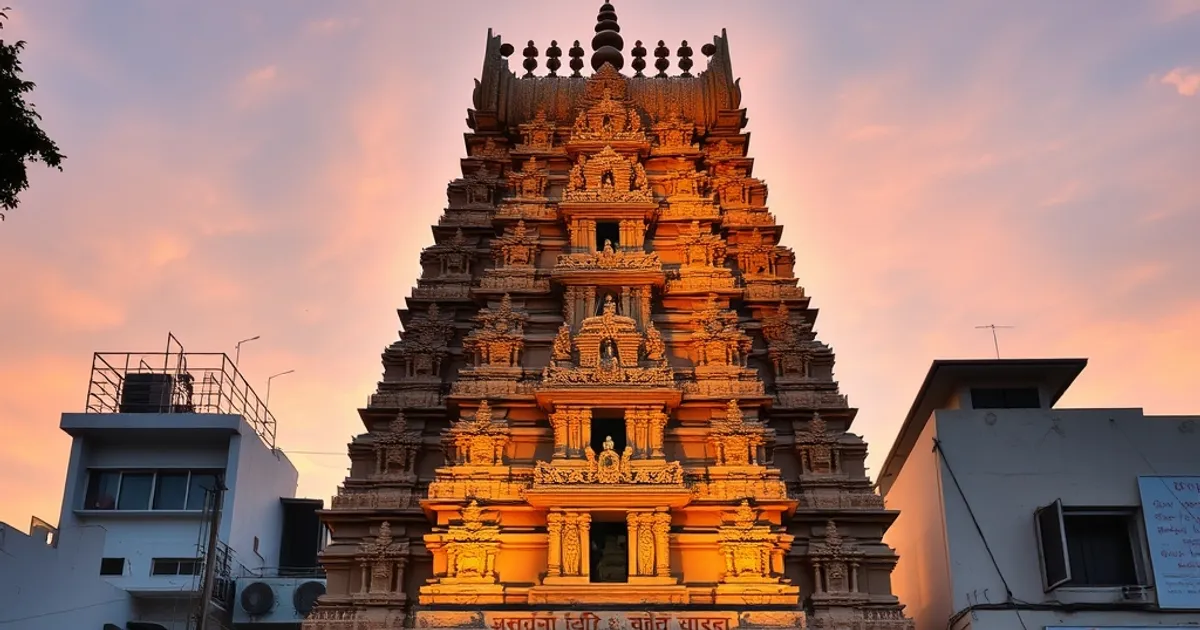
Sri Mariamman Temple at 244 South Bridge Road (+65 6223 4064) is Singapore's oldest Hindu temple, a national monument founded in 1827 by Naraina Pillai, a government clerk who arrived with Stamford Raffles. The Dravidian gopuram is one of the most photographed structures in Chinatown. The temple remains an active place of worship — not just a heritage attraction — with daily puja and the annual Thaipusam kavadi procession.
Sri Layan Sithi Vinayagar Temple at 73 Keong Saik Road (+65 6221 4853, office@sttemple.com) serves devotees of Ganesha specifically, following the South Indian Shaivite tradition. It is compact and community-run, making it more accessible for quiet, personal devotion than the landmark temples.
Sri Thendayuthapani Temple at 15 Tank Road is one of Singapore's six national monument temples. It is also known as the Chettiars' Temple for its historical connection to the Nattukotai Chettiars (South Indian merchant financiers) who funded it. The annual Thaipusam celebration here draws thousands of kavadi carriers.
Sri Vadapathira Kaliamman Temple at 555 Serangoon Road (+65 6298 5053) is dedicated to the fierce aspect of the goddess Parvati. Located in the heart of Little India, it serves as an active neighborhood mandir alongside its landmark role.
Gurdwaras and Sikh Community Spaces
Silat Road Sikh Temple (Gurdwara) at 8 Jalan Bukit Merah serves the Sikh community in the Bukit Merah area. Singapore's Sikh population is predominantly Punjabi in origin and has maintained gurdwaras since the 19th century, when Sikh men arrived as police officers and military personnel under British administration.
Heartland Mandirs: Beyond the Tourist Circuit
The HDB towns across Singapore hold the mandirs that actually serve the daily devotional needs of most Indian residents.
Sri Sivan Temple at 24 Geylang East Avenue 2 (+65 6743 4566) follows the Shaivite tradition with daily puja schedules. The Geylang area has a significant South Indian Tamil-speaking community, and the temple runs regular programs for the neighborhood.
Sri Murugan Hill Temple at 931 Upper Bukit Timah Road (+65 6769 5784) is dedicated to Murugan (Kartikeya), whose worship is central to Tamil devotional life. The hilltop location gives it a distinctive character among Singapore's temples.
Sri Sivadurga Temple at 8 Potong Pasir Avenue 2 is a North Singapore community mandir serving residents in the Potong Pasir and Bidadari estate area.
Sri Manmatha Karuneshvarar (Sivan) Temple at 226 Kallang Road follows Shaivite traditions in the Kallang-Bendemeer corridor.
Sri Muneeswaran Temple at 3 Commonwealth Drive serves the Queenstown and Alexandra area — a neighborhood where many longtime Singapore Indian families settled.
Sri Arulmigu Murugan Temple at 281 Jurong East Street 21 extends the mandir network to the western new town, serving the Indian families in Jurong.
Insider Tip
The Tamil Hindu calendar dictates temple programming more than any printed schedule. The big draw days are not announced on general event sites — they follow panchang dates for Thai Pusam, Panguni Uttiram, Aadi festival, Karthigai Deepam, and the new moon and full moon days. If you want to experience an active temple day in Singapore, check with any Little India mandir for the next full moon (pournami) puja, when the Saturday or Sunday nearest to the full moon brings the largest gatherings.
FAQ
Which is the oldest Hindu temple in Singapore? Sri Mariamman Temple at 244 South Bridge Road is the oldest, dating to 1827. It is a national monument and active place of worship.
Is there a BAPS Swaminarayan temple in Singapore? Singapore has a Swaminarayan community, but the primary temples listed here follow the Tamil Hindu traditions. Check the Desi.Net Singapore directory for the most current listing of North Indian devotional spaces.
Where is Little India in Singapore? Little India is centered on Serangoon Road, particularly between Tekka Market and the Mustafa Centre. Sri Vadapathira Kaliamman Temple at 555 Serangoon Road is one of the anchoring mandirs in the area.
Are Singapore's temples open to non-Hindus? The major temples like Sri Mariamman Temple and Sri Thendayuthapani Temple welcome visitors of all backgrounds. Dress conservatively (shoulders and knees covered), remove shoes at the entrance, and observe silence during active puja. Photography policies vary.
Is there a Sikh gurdwara in Singapore? Yes. Silat Road Sikh Temple at 8 Jalan Bukit Merah is one of several gurdwaras on the island. Central Sikh Temple at Towner Road is the most prominent, though it is not on this specific list.
Bottom Line
Singapore's Indian temple scene runs deeper than the South Bridge Road monument circuit suggests. From the Tamil Shaivite mandirs of Little India to heartland community temples in Geylang, Potong Pasir, and Jurong, the island has active devotional spaces serving every tradition in the South Asian community. Desi.Net's Singapore directory holds the full listing with addresses, phone numbers, and contact emails.