
Best Temples & Mandirs in Thiruvananthapuram (2026)
Best Temples & Mandirs in Thiruvananthapuram (2026)
Thiruvananthapuram is, at its soul, a city of devotion — temple bells echo through its winding streets before dawn, and the scent of jasmine and camphor is simply part of the air here. Whether you are a lifelong resident, a newcomer to the city, or someone returning after years away, knowing your way around the sacred spaces of Thiruvananthapuram is knowing the city itself. This guide is written for everyone who calls this place home.
TL;DR
- 🛕 Sri Padmanabhaswamy Temple is the undisputed heart of the city — plan your visit carefully and dress traditionally.
- 🌸 Attukal Devi Temple hosts one of the largest annual women's gatherings on earth; timing your visit around Pongala is unforgettable.
- 🗺️ Several neighbourhood Devi temples — Kariyamkulam, Irumkulangara, Konchiravila, Pazanchira — are deeply rooted in local community life and worth exploring beyond the main circuit.
- 📞 Call ahead or check available websites before visiting, as pooja timings and festival schedules change seasonally.
- 🙏 For Shiva devotees, Kamaleswaram Mahadeva Temple and Keleswaram Mahadeva Temple are quiet, spiritually charged alternatives to the busier shrines.
The Anchor of It All: Sri Padmanabhaswamy Temple
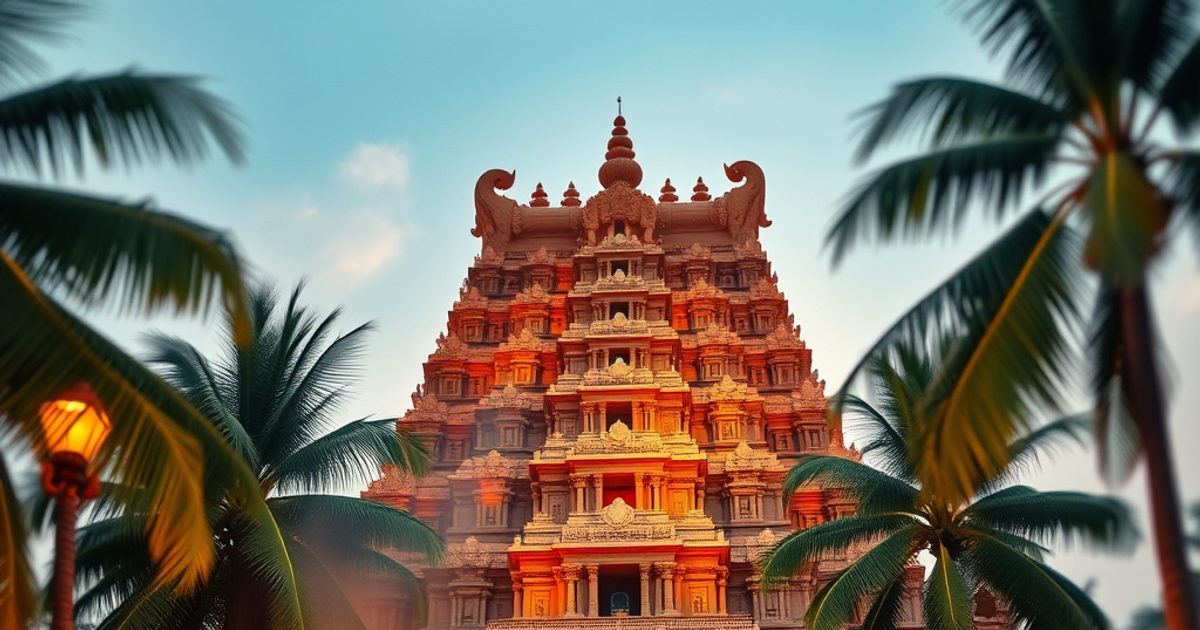
No conversation about temples in Thiruvananthapuram begins anywhere other than here. Sri Padmanabhaswamy Temple, with its magnificent seven-storey gopuram rising above East Fort, is one of the most important Vaishnava shrines in the country and a living emblem of this city's identity. The presiding deity is Lord Padmanabha — Vishnu in the eternal reclining posture — and the sanctum's scale and artistry are genuinely breathtaking.
Entry has specific rules that matter: only Hindus are permitted inside, and traditional Kerala attire is required. Men must wear a mundu without a shirt; women must wear a saree or half-saree. These are not suggestions — they are enforced at the gate. The temple maintains an official website at sreepadmanabhaswamytemple.org, and their contact number is available for queries about pooja timings and festival schedules. If you are visiting during Alpashi or Panguni festival seasons, arrive well before the morning nadapandal opens.
Attukal: The Temple That Belongs to Women
Attukal Devi Temple, located along Attukal Konchiravila Road, is another landmark that resonates far beyond its neighbourhood. The presiding goddess — Attukal Amma — is believed to be a manifestation of Kannaki from the Tamil epic Silappatikaram, and her temple draws one of the most extraordinary devotional spectacles in the world every year.
The Attukal Pongala festival, held annually in the Malayalam month of Karkidakam, sees millions of women cook pongala (a sweet rice offering) on makeshift hearths stretching for kilometres across the city streets. It holds a Guinness World Record for the largest gathering of women at a single religious event. If you have never witnessed it, add it to your list for 2026. Outside festival season, the temple is a calm, welcoming space for daily worship and reflection.
The Ancient Shaiva Pair: Kamaleswaram and Pazhaya Sreekanteswaram
For those drawn to Lord Shiva, Thiruvananthapuram holds two temples with deep historical roots. Kamaleswaram Mahadeva Temple is one of the city's most revered Shiva shrines, and its architecture and rituals carry centuries of unbroken tradition. The temple is particularly vibrant during Shivaratri, when devotees gather through the night for prayers and bhajans.
Pazhaya Sreekanteswaram Temple (sometimes written as Pazhaya Sreekanteswarar Temple) is another ancient Shiva shrine embedded in the older parts of the city. "Pazhaya" itself means old or ancient in Malayalam, and the name hints at just how long this space has held meaning for the community here. Both temples are important stops on any spiritual circuit of Thiruvananthapuram.
Keleswaram Mahadeva Temple rounds out the Shiva circuit for those wanting to explore further — a less visited but genuinely serene space.
Neighbourhood Devi Temples: The Heartbeat of Local Faith
Beyond the famous landmarks, Thiruvananthapuram's spiritual life pulses most intimately through its neighbourhood Devi temples. These are the shrines where residents gather for festival rituals, where children are first brought for blessings, and where community bonds are renewed season after season.
Kariyamkulam Devi Temple, located in Bhagavathipuram, Vellanad, is dedicated to the local goddess Kariyamkulathamma. The temple has an active web presence at kariyamkulathamma.org and a contact number for those travelling from outside the neighbourhood — useful for confirming festival dates or special pooja timings.
Irumkulangara Devi Temple, on ERA Road Thottom, and Irumkulangara Durga Devi Temple are both important Devi shrines in their locality. The area has a genuine atmosphere of lived-in devotion that you will not find at more tourist-facing temples.
Konchiravila Devi Temple and Konchiravila Temple are neighbourhood fixtures near the Attukal belt, and Pazanchira Devi Temple (also written as Pazhanchira Devi Temple) continues to serve its immediate community as it has for generations. None of these will appear on a packaged tour itinerary — which is exactly the point.
Puliyarakonam: A Sacred Space at the City's Edge
Sree Bhadrakali Temple in Puliyarakonam, located at Puliyarakonam P.O. (PIN 695573), is a dedicated Bhadrakali shrine on the outskirts of the city. Bhadrakali worship carries a particular intensity and rhythm in Kerala — the rituals here are rooted in the Tantric traditions of the region. The temple maintains a blog at puliyarakonamtemple.blogspot.com where updates and festival information are occasionally posted. For those who live in or near the Puliyarakonam area, this is a cherished local institution.
💡 Desi Insider Tip: The quietest and most meditative time to visit Sri Padmanabhaswamy Temple is during the Uchappooja (midday pooja) on a weekday — the crowds thin out, the light through the gopuram is extraordinary, and you can actually pause and absorb the space rather than shuffling through. Skip weekends and festival days if solitude is what you are after.
Practical Tips for Temple Visits in Thiruvananthapuram
A few things that make a real difference when doing the rounds:
Dress codes at major temples are enforced, not advisory. Traditional attire is the norm and it is respectful to comply fully. Keep a set of appropriate clothing in your vehicle if you are temple-hopping.
Mobile phones and cameras are restricted or completely prohibited inside many sanctums — including Sri Padmanabhaswamy Temple. Leave your phone in the car or at the footwear counter rather than at the door.
Footwear counters at smaller neighbourhood temples may not always be staffed; carry a cloth bag to hold your sandals when needed.
Most temples operate in two sessions with a midday break. Arriving in the first hour after opening is usually the best combination of manageable crowds and active rituals.
For festivals like Attukal Pongala, public transport routes are redirected across the city. Plan your journey well in advance and expect road closures around the temple.
FAQ
Which is the most important temple to visit in Thiruvananthapuram? Sri Padmanabhaswamy Temple is the most historically and spiritually significant temple in the city. It is a must-visit, but requires Hindu devotees in traditional Kerala attire.
When is the best time to visit Attukal Devi Temple? Any time of year is fine for daily darshan, but the Pongala festival is the unmissable event — check the Malayalam calendar for the exact date each year as it shifts annually.
Are all temples in Thiruvananthapuram open to everyone? Entry policies vary. Sri Padmanabhaswamy Temple restricts entry to Hindus. Most neighbourhood Devi temples are more open in practice, but it is always courteous to follow local customs and dress appropriately.
How do I find out about festival dates and pooja timings? The best sources are the official temple websites where available (Sri Padmanabhaswamy Temple and Kariyamkulam Devi Temple both have online presences), direct phone calls to temples that have listed numbers, or local community notice boards. Temple schedules follow the Malayalam calendar, so dates shift each year.
Are there Shiva temples worth visiting beyond the main ones? Absolutely — Kamaleswaram Mahadeva Temple, Keleswaram Mahadeva Temple, and Pazhaya Sreekanteswaram Temple are all significant Shiva shrines with their own distinct histories and ritual traditions.
The Bottom Line
Thiruvananthapuram's temples are not monuments — they are living, breathing spaces where faith, community, and daily life interweave in the most natural way. From the towering grandeur of Sri Padmanabhaswamy Temple to the intimate devotion of a neighbourhood Devi shrine in Vellanad or ERA Road, there is a depth here that rewards those who take the time to explore beyond the obvious. Whether you are a regular worshipper or simply someone who wants to understand the city more fully, the temples of Thiruvananthapuram have something to offer you in 2026.
For more local guides, event listings, and community highlights, keep exploring Desi.Net — your home for everything Thiruvananthapuram.