
Desi Things to Do in Thiruvananthapuram (July 2026)
TL;DR
- 🌕 Guru Purnima 2026 falls on July 29 — one of the most spiritually significant full moon days of the year
- 🙏 Sankashti Chaturthi on August 2 marks the ideal time for Ganesha prayers and household fasting
- 🌑 Amavasya on August 12 is observed across temples for ancestral rites and tarpana
- 🐍 Nag Panchami 2026 on August 17 connects the city's deep serpent-worship traditions to the Shravana calendar
- 📅 This is a dense, spiritually charged window — plan your observances early
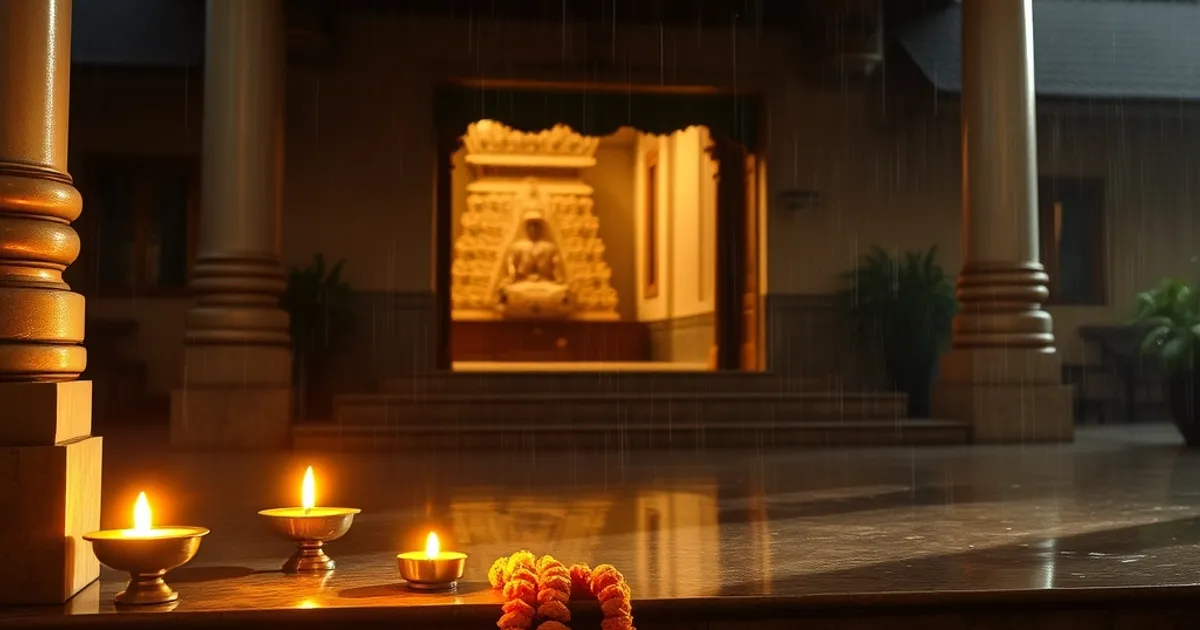
The months of Ashadha and Shravana carry a particular weight in the Kerala calendar. For Thiruvananthapuram — a city shaped around its ancient temples, its relationship with the monsoon, and its Nair, Brahmin, and pan-Hindu traditions — the stretch from late July through mid-August is among the most concentrated periods of religious observance in the year. The rains are still heavy. The streets smell of wet earth and incense. And the festivals arrive in close succession.
This guide walks through what is happening when, why it matters, and how residents of the city typically mark each occasion.
Guru Purnima 2026 and Purnima: July 29
Guru Purnima 2026 lands on July 29, coinciding with the Purnima — the full moon day of the month of Ashadha. This day holds layered significance. In the Vedantic tradition, it honors Maharishi Veda Vyasa, the sage credited with composing the Mahabharata and organizing the Vedas. For practitioners of yoga and various devotional paths, it is the day consecrated to the guru-disciple relationship in its most essential form.
In Thiruvananthapuram, this Purnima is observed at household shrines and at the city's many temples. It is common to see early-morning queues with devotees carrying offerings of flowers, coconut, and turmeric. Pravachanam programs — spiritual discourses — are organized in cultural halls and temple premises, often running through the evening.
The Purnima of Ashadha is also the first full moon of the monsoon. Observing it carries a sense of annual renewal: the agricultural cycle has turned, the rains are here, and the months of Shravana are beginning. For those who maintain lunar fasting practices, this Purnima is a natural and significant anchor point.
If you are in the city on July 29, expect heavier-than-usual temple activity from early morning. Many families will have arranged for special prayers at home shrines as well, with the house cleaned and lamps lit from before dawn.
Insider Tip: Guru Purnima is a particularly good occasion to attend a pravachanam or spiritual discourse in Thiruvananthapuram. Cultural organizations and temple trusts frequently organize formal programs on this day — seating can fill quickly, and some programs require prior registration, so check local listings at least a week in advance.
Sankashti Chaturthi: August 2
Sankashti Chaturthi falls on August 2 this cycle. It is a monthly observance dedicated to Ganesha, falling on the fourth day after the full moon — the chaturthi of the Krishna paksha, or waning fortnight. The word sankashti refers to the removal of obstacles, and the observance carries the specific intention of seeking Ganesha's grace to clear difficulties from the path ahead.
The fast, for those who keep it, runs through the day and is broken after moonrise, at which point the moon is sighted and prayers are offered. The timing of moonrise on Sankashti Chaturthi is watched closely by observing households.
Thiruvananthapuram has a strong culture of Ganesha veneration, with numerous small shrines and larger temple spaces dedicated to Ganapati throughout the city's residential areas and commercial neighborhoods. On Sankashti days, these see a marked uptick in visitors — particularly in the early morning hours and the post-moonrise window.
Families who follow this vrat traditionally prepare specific offerings, including kozhukatta — rice dumplings filled with coconut and jaggery. The preparation of these sweets is itself a ritual act within the observance, something passed down through household practice.
Ekadashi, Amavasya, and the Closing of Shravana
The observances that follow — Ekadashi on August 9 and Amavasya on August 12 — are both significant in distinct ways.
Ekadashi is the eleventh day of the lunar fortnight, observed twice each month. This one falls in the Krishna paksha of Shravana. Vaishnava traditions regard Ekadashi as a day for fasting and prayer to Vishnu; in a city with a strong Vaishnava presence given its deep connection to the Padmanabhaswamy tradition, Ekadashi carries considerable weight. Many long-term residents maintain the Ekadashi fast as a household practice — some avoiding food entirely, others avoiding grains specifically.
Amavasya on August 12 is the new moon day. In Kerala custom, Amavasya holds particular significance for pitru karma — rites performed in remembrance and honor of ancestors. Families perform tarpana, the water offering to departed souls, ideally near rivers, ponds, or at designated temple tanks. The new moon brings a quieter, more inward energy compared to the celebratory mood of Purnima. Temple activity on Amavasya is of a different character — more solemn, more personal.
Nag Panchami 2026: August 17
Nag Panchami 2026 arrives on August 17. This festival, dedicated to serpent worship, has unusual depth in Kerala's cultural life. The state has a long tradition of sarpa kavu — sacred groves maintained at the edges of ancestral properties, dedicated to snake deities. In Thiruvananthapuram, this connection is visible in the older neighborhoods of the city, where kavu spaces are sometimes still intact within family compounds.
On Nag Panchami, offerings of milk, turmeric, and flowers are made at these shrines and at temple spaces that maintain serpent images. Anthill formations — associated with serpent spirits in folk tradition — also become focal points for prayer. The festival sits at the intersection of Brahminical temple tradition and older nature-worship practices, and Thiruvananthapuram holds both strands simultaneously and without contradiction.
Spending time in quieter residential neighborhoods on Nag Panchami gives you a view of how the festival lives at the household level, distinct from the more formalized temple programming.
FAQ
When exactly is Guru Purnima 2026 in Thiruvananthapuram? Guru Purnima 2026 falls on July 29.
What is the significance of Sankashti Chaturthi? It is a monthly fast and prayer observance dedicated to Ganesha, held on the fourth day of the waning fortnight. The fast is broken after moonrise.
Is Amavasya observed in temples or at home? Both. Ancestral rites (tarpana) are typically performed near water, while formal prayers may happen at temples. It is a more personal, family-centered observance than festival days.
What does Nag Panchami involve in Kerala specifically? In Kerala, the festival connects to the tradition of sarpa kavu — sacred serpent groves maintained at old family properties. Offerings of milk, flowers, and turmeric are made at these shrines and at temple spaces.
Is Ekadashi fasting common in Thiruvananthapuram? Yes, particularly among Vaishnava households and those with strong devotional traditions. Some keep full fasts; others specifically avoid grains.
Bottom Line 🗓
The last week of July through mid-August is one of the most layered periods in Thiruvananthapuram's spiritual calendar. Guru Purnima 2026 and Purnima open the sequence on July 29. Sankashti Chaturthi follows on August 2, Ekadashi on August 9, Amavasya on August 12, and Nag Panchami 2026 closes the run on August 17. Each of these observances draws from a different strand of the city's religious life — full-moon celebrations, Ganesha devotion, ancestral rites, serpent worship — and together they form a concentrated window that shapes the rhythm of the city through the height of the monsoon season.